First time in Seoul or a regular visitor? Getting around within Seoul can be the same as convenient and annoying at the same time.
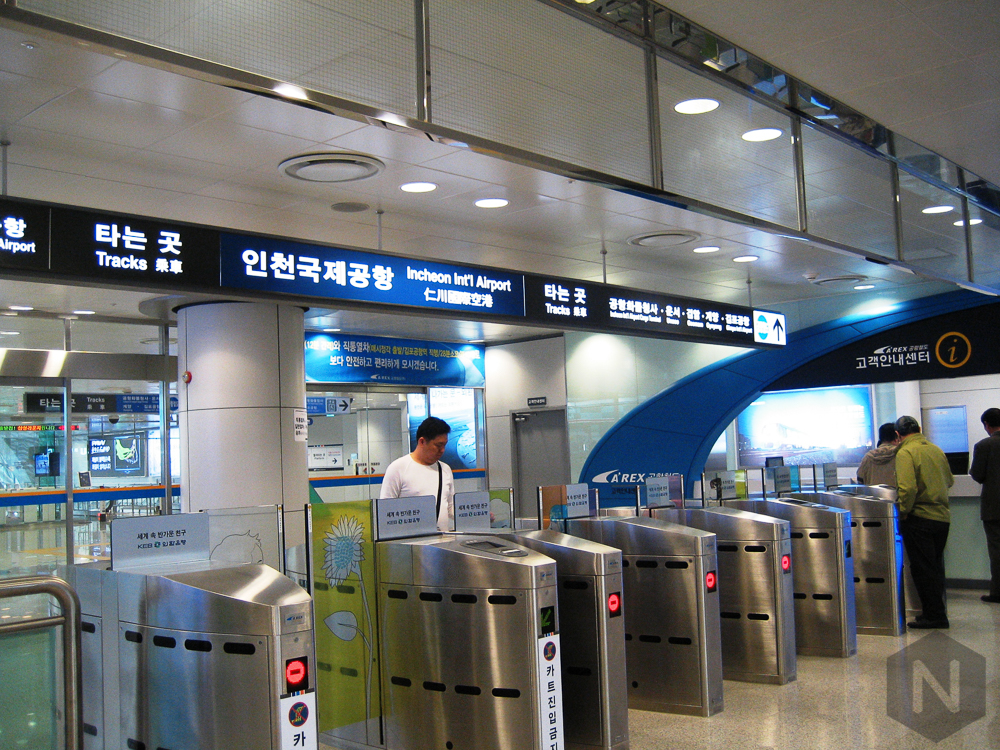
(Source: Kanchi1979 from Wikimedia) Arriving from the airport the most convenient way to travel to Seoul has been shifting from taking an airport express bus to the Airport Railway Station Express (AREX), which has opened in late 2010. The AREX connects you from the airport to some major subway stations within Seoul. Ranging from about 4800 KRW to 9800 KRW you can choose between a regular train or the express train. Both trains are convenient enough to travel and with being only about 10 minutes faster on the express line, we recommend to take the normal train. It gets you to Seoul station in about 45 minutes. Arriving in Seoul, you can get a T-Money Card (http://www.t-money.co.kr/) to go on. That’s actually nothing different from a RFID-chip card, which you charge with some credit. The card also works in Busan and some cities for the curious. You save around 10% of the regular fare. There are actually no other discounts (day pass, monthly pass, student pass) and every commute is charged separately. Transfers with a bus within 30 minutes are free. After about 12 stops they charge you an additional fare (about 300 W). You can get the card at any magazine shop or a vending machine. It costs you about 2,000-3,000 KRW without any credit. There are also keychains or special chips (e.g. on an employee ID, student ID or coupled with Korean credit cards).
 or suicide jumpers. There are 9 lines at the moment, line 2 is a circle line.
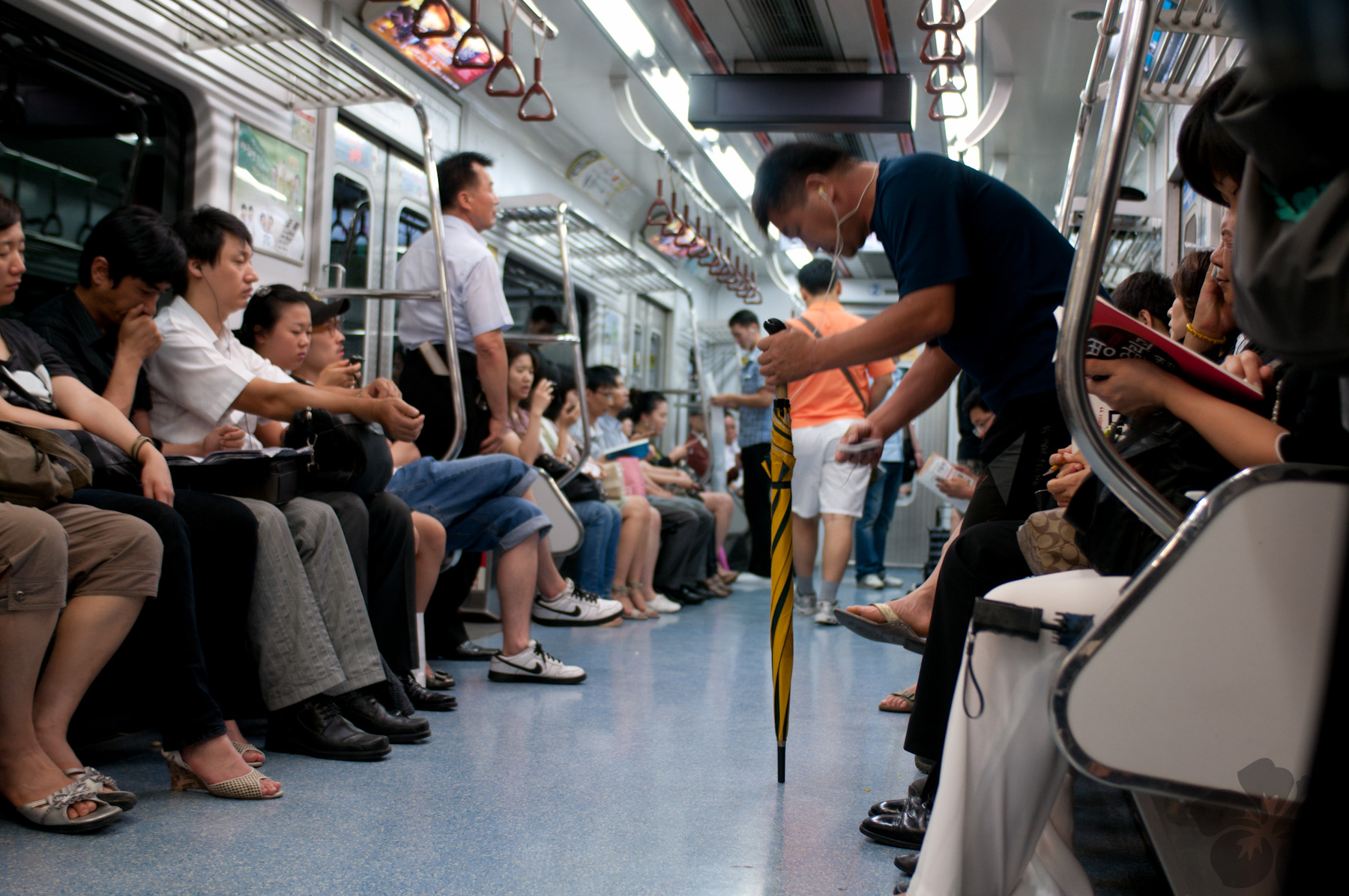
Trains start at around 5.30 am and end at 1pm on weekdays, at some stations at around 12pm. Unlike in Europe, the trains stops at about 12pm on the weekends, so this is not always an option for the late party lion. Happy hours are from 7.30 until 10.00 am and from 4pm to 7pm. You should try to avoid these times. And please don’t take seats on the most outer 3-seater bank, this is a seat from the disabled, elder and pregnant fellow travelers. Sometimes you meet people who sell sweets, umbrellas, handkerchiefs etc. This is actually forbidden to do but nobody can actually stop that. Some get really annoying and talk minutes about their product and some even try to do some missionary work.
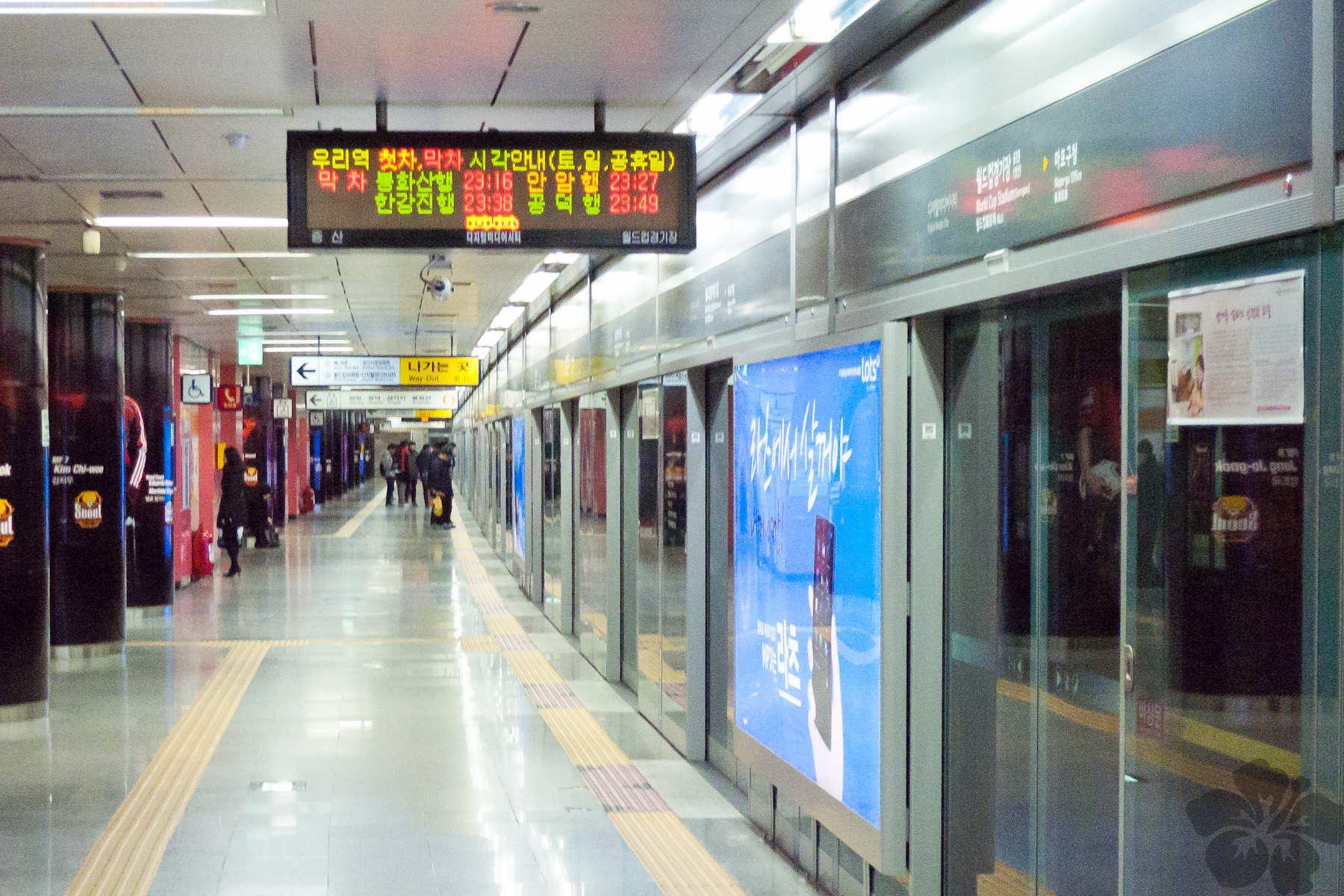
On the tracks you see the an animation of the approaching train and travel time between two stops is about 90 seconds while waiting takes about 2 minutes. Announcements are made in Korean, Chinese, Japanese and English. You never have to push buttons to open doors. But be sure which direction you are travelling.
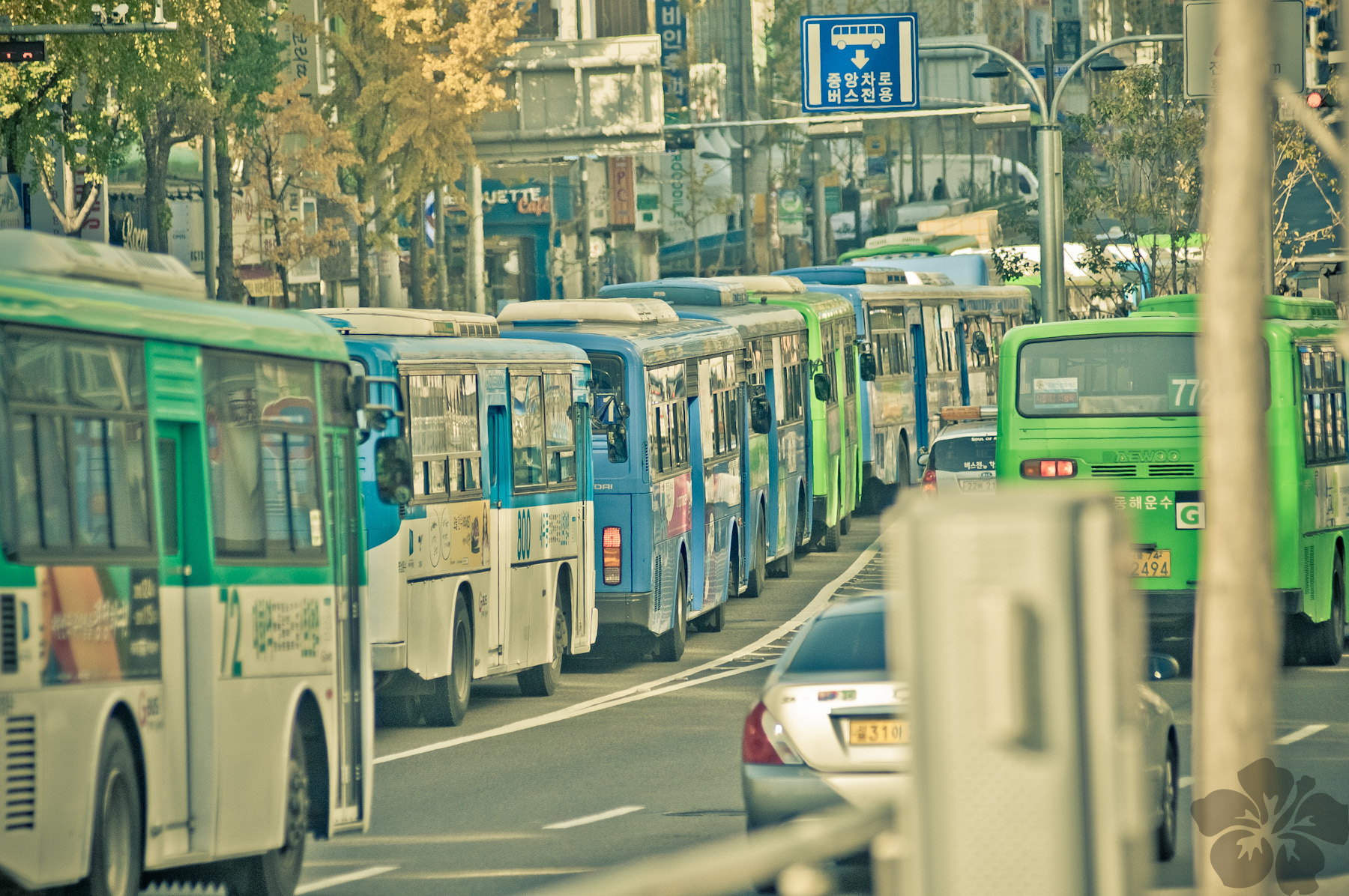
There are three kinds of buses, the green ones (4 digit), blue ones (3 digits) and red one (2 digits). While the green one stops at all bus stops, blue and red buses get you around faster between districts. The red buses only stop at the major points and reach out of Seoul, too. The first digits on the green bus show you where the bus started and the second ones where it ends, the last two digits are the line number. Same goes for the blue line, which has only one number for the direction. Be careful about the red one and the subway, just ask the driver in case you are not sure.
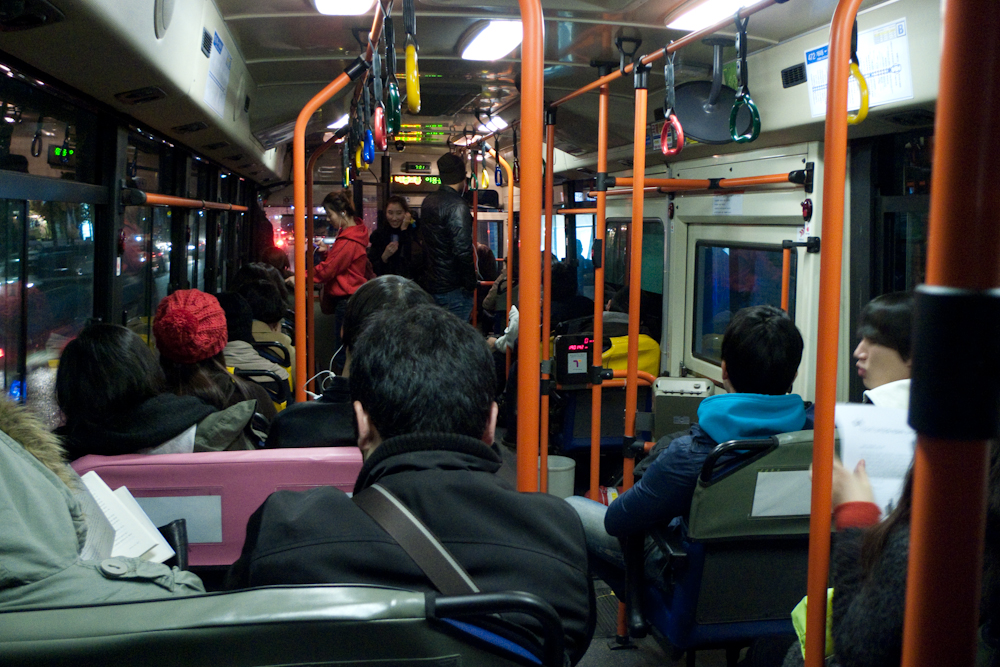
When entering the bus, do as follows: You always enter in front and either put 1000 W in the transparent box or touch the RFID terminal with the card. When you want to stop, just press the red button and swipe your T-Money Card at the exit once again! If you do so, the terminal registers your exit and does not double charge you at a transit or lets you pay the maximum fee. Most of the announcements are completely in Korean so try to follow the bus plan that is taped on the ceilings. It is definitely not so easy to take a bus if you are not understanding Korean, but you can get around. With some buses, you get around faster than with the subway, especially when getting out of Seoul. And taking the interconnection buses. For example, you get to Ilsan from Seodaemun-gu within 30 minutes.
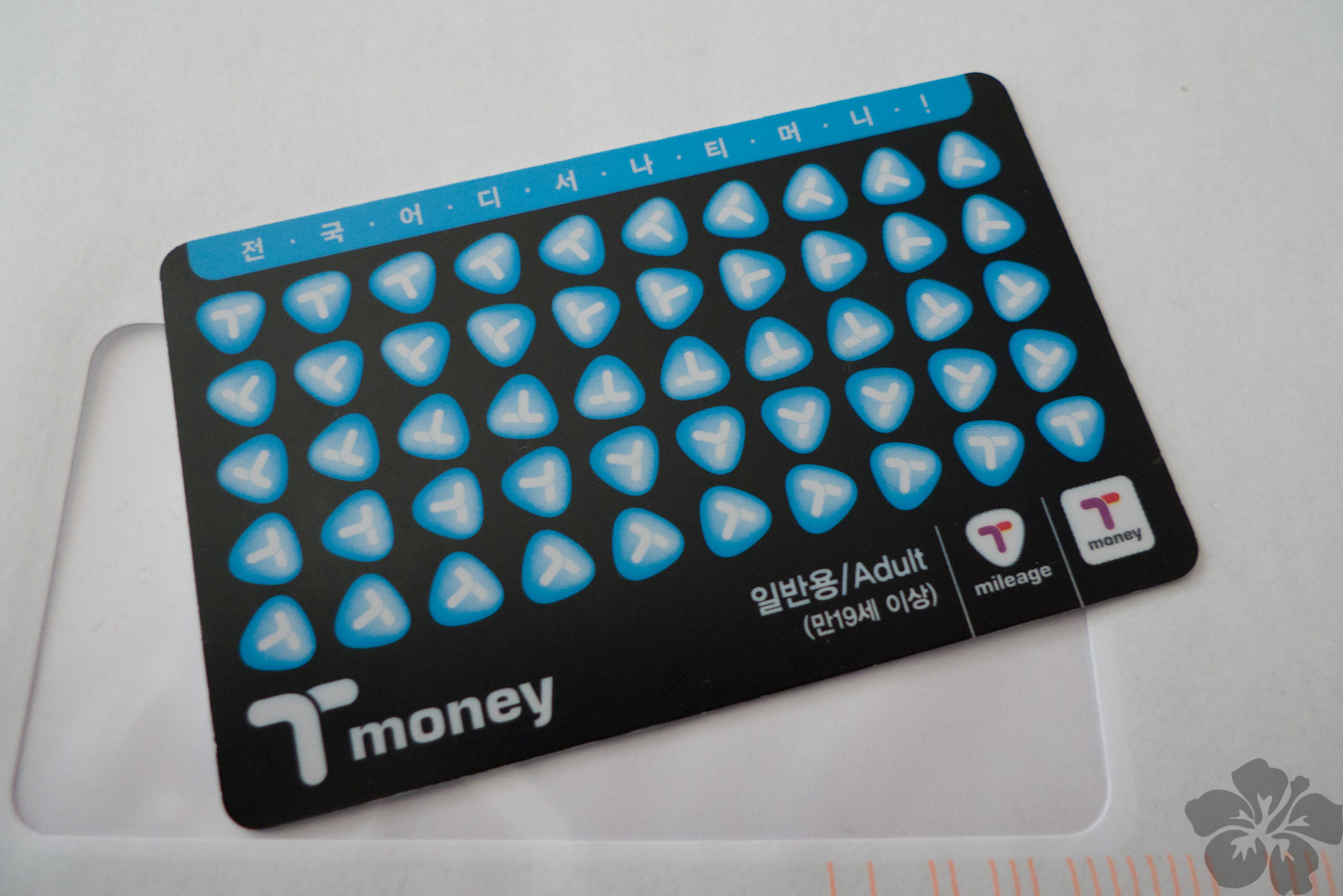
With the T-Money Card, you can also use the taxi, though cash and credit card are still very common used payment methods (unless you have lots of cash on your T Card). Fares start at 2800 KRW and it is also common that drivers reject your itinerary if it is too short. This is illegal, so just get into a taxi and then tell them to go somewhere you want. The black taxis are luxury taxis that are more comfortable but also more expensive.
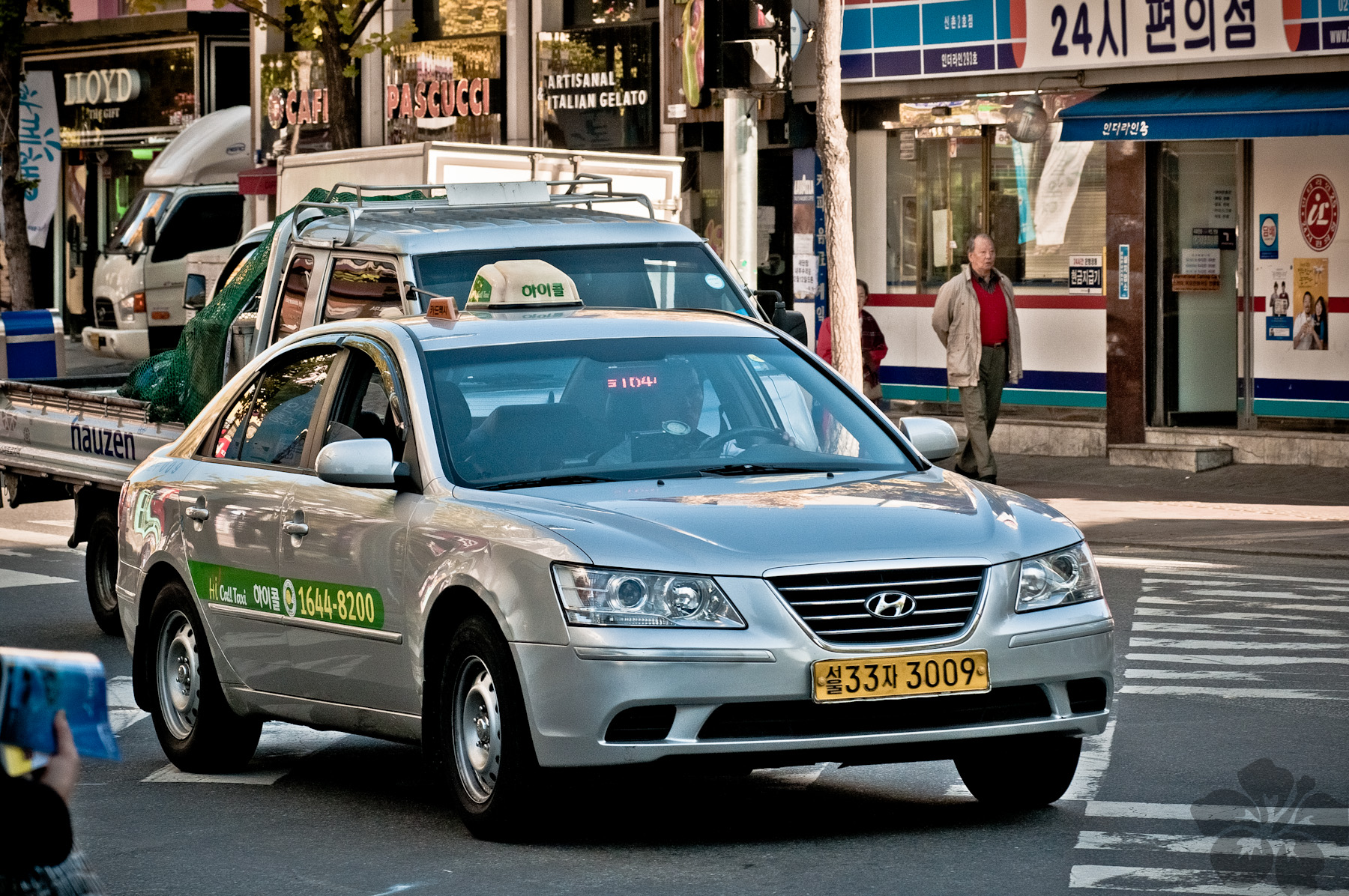
Taxi drivers are often very nice and ask foreigners what you do and where you are from. You get scammed very seldom, as their name and license number is attached at the front passenger seat console. Prices are regulated in Korea, it does not matter which one you take. They also don’t do meter manipulation. If you are scared by their driving skill - try no to be. They often speed and cross red lights. Renting a car is possible in Korea, as the big renters all have stations in Korea. Remember to bring your international driver’s license. Since it is complicated to navigate - places are not so well plated like in Germany and districts often have several blocks - and driving by Korean traffic rules, we would not necessarily recommend this within Seoul or Busan.