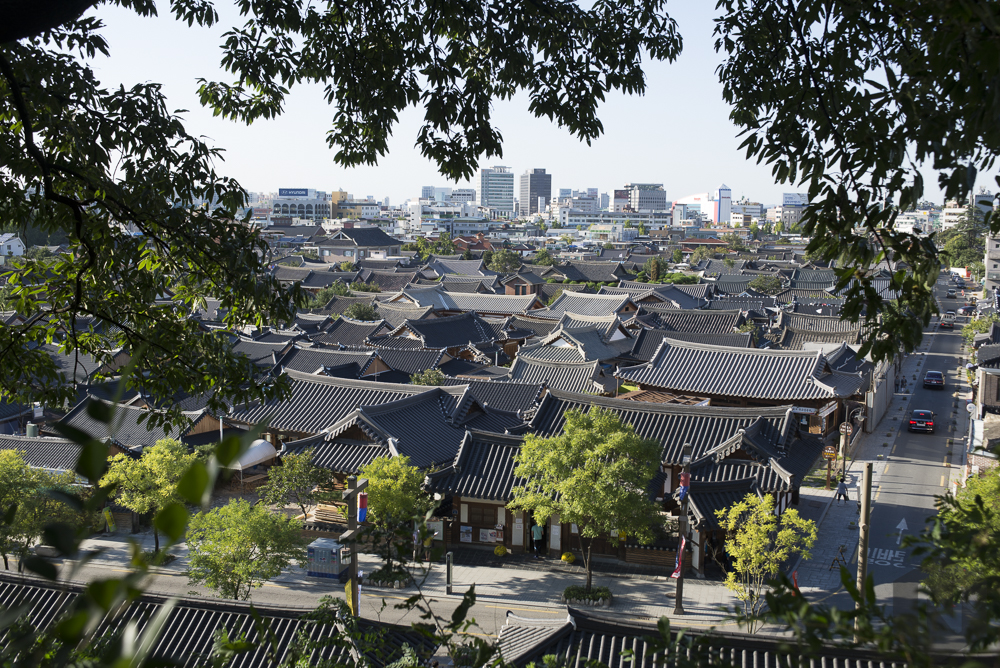
We visited the Jeonju as weekend trip during our holidays. Jeonju is famous for its Hanok Village and its abundant food culture, thus also known as the food capital in Korea. Bimbimbap is supposed to come from here, but also things such as Haejangguk, Makgeolli
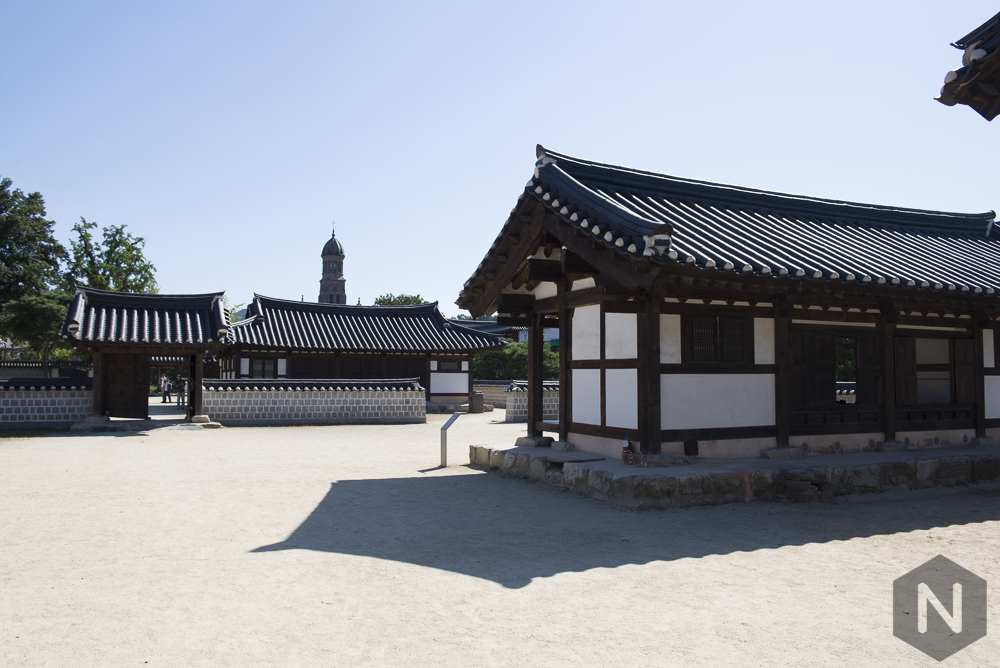
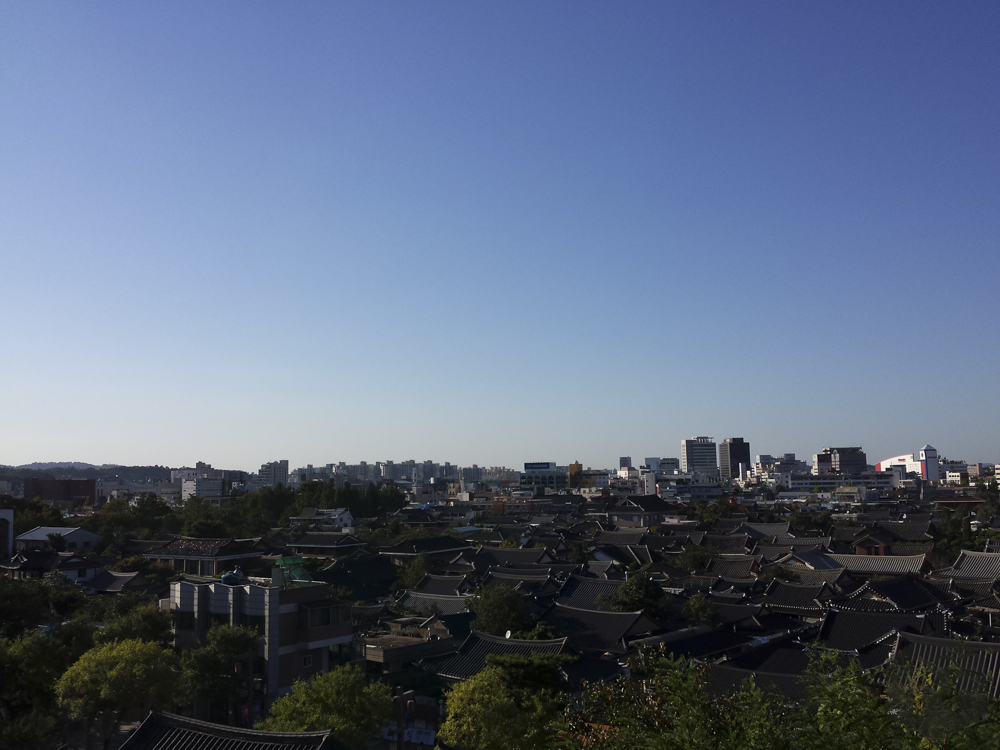
The Hanok housing area is an area next to mountains and as we saw, many house are either restorated, built up from ground but only few are actually in an original condition. Also, many houses were additionally built to extend the area for tourism.
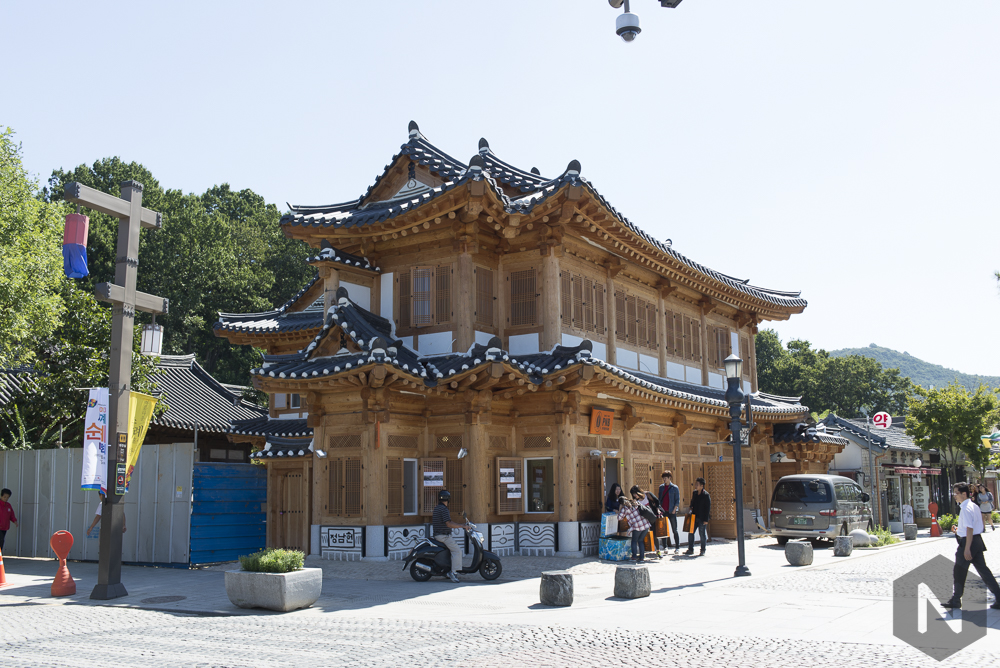
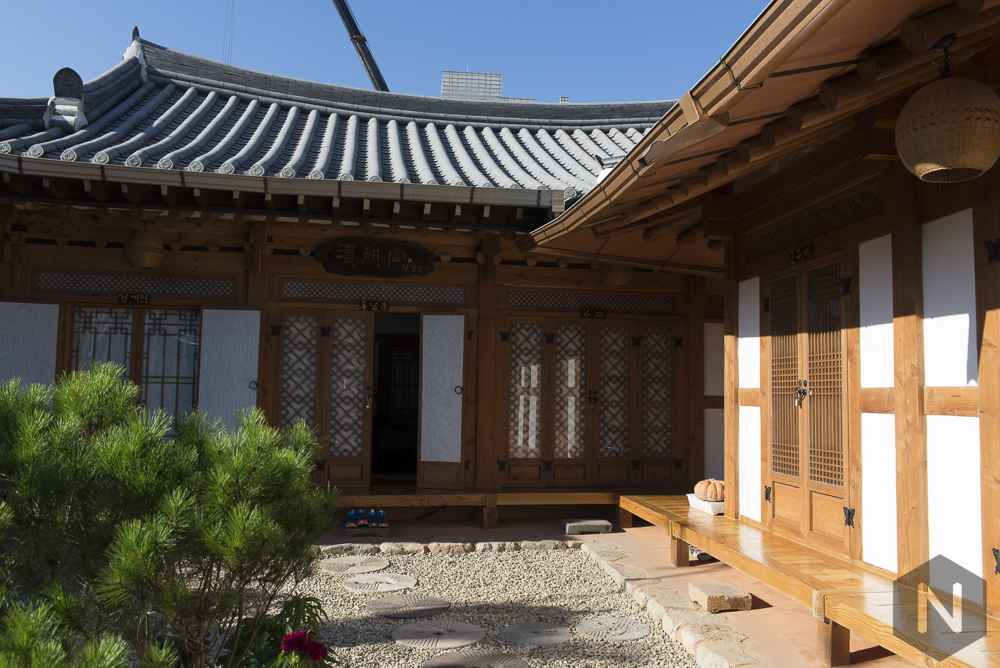
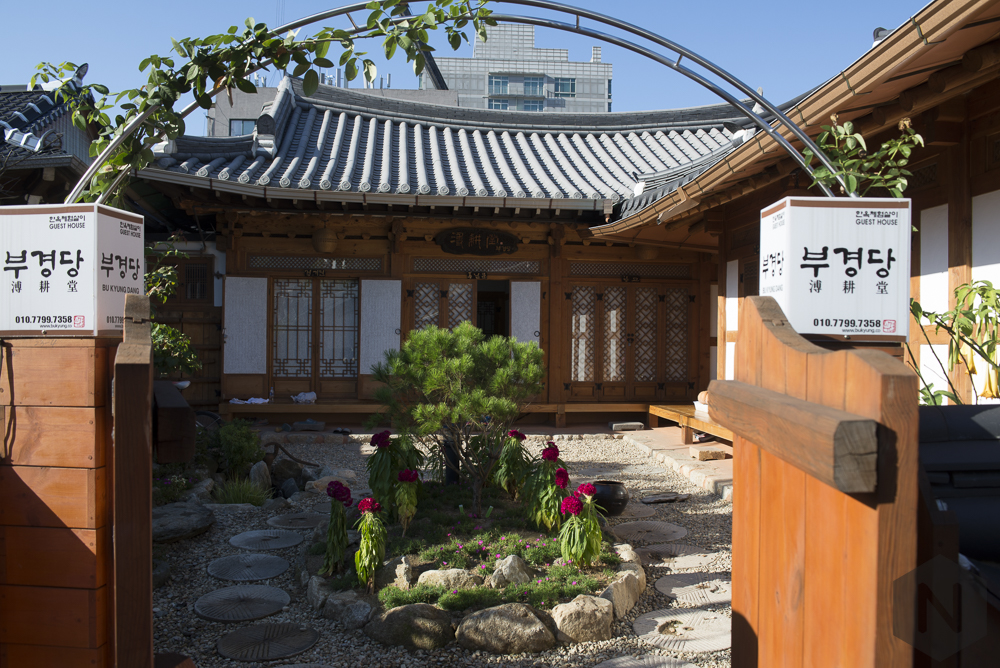
Instead of looking for a cheap hotel, we decided to do a Hanok stay. It was a fantastic experience sleeping and living in a traditional Korean house and sleeping on the floor was not as bad as I imagined it to be. Depending on the mattress and cushion, it is not uncomfortable at all.
What is there to see? Well, there is a huge Catholic Cathedral that is to be visited. It is one of the most famous churches in Korea, being quite old from dating back to the 16th century.
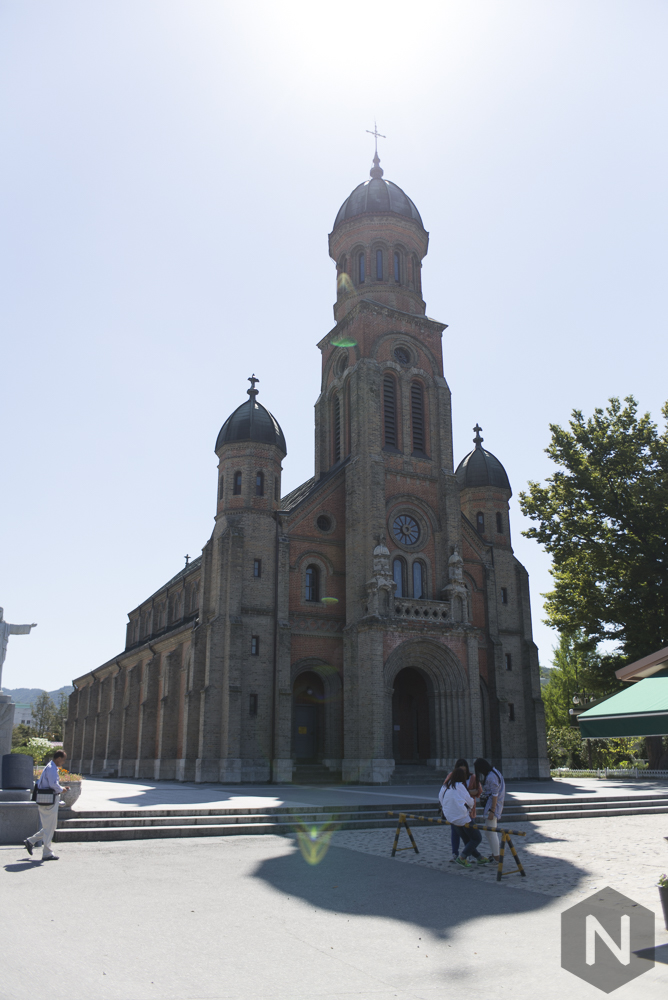
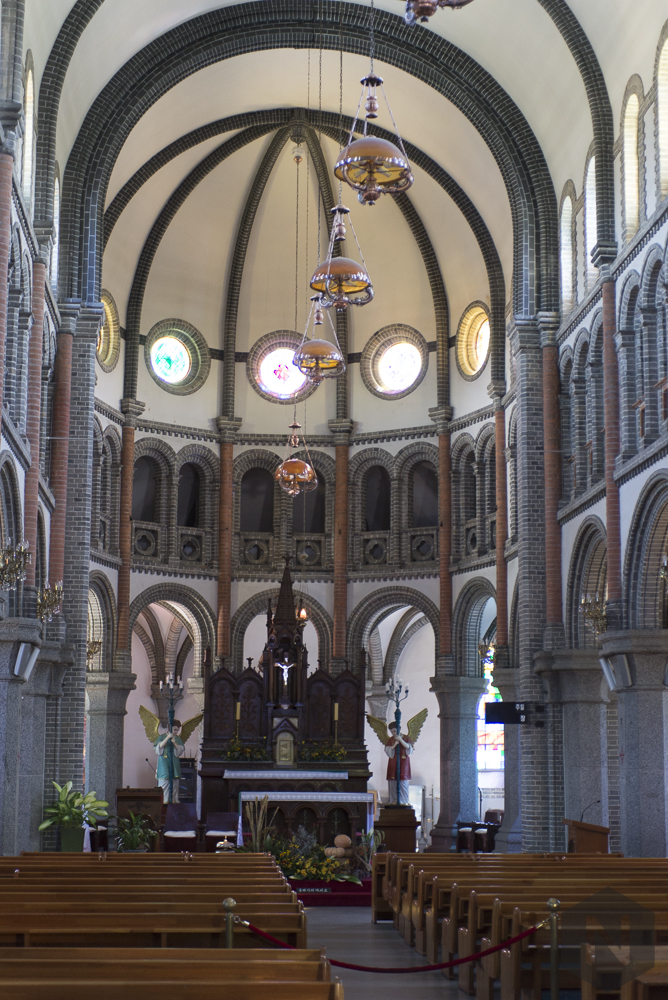
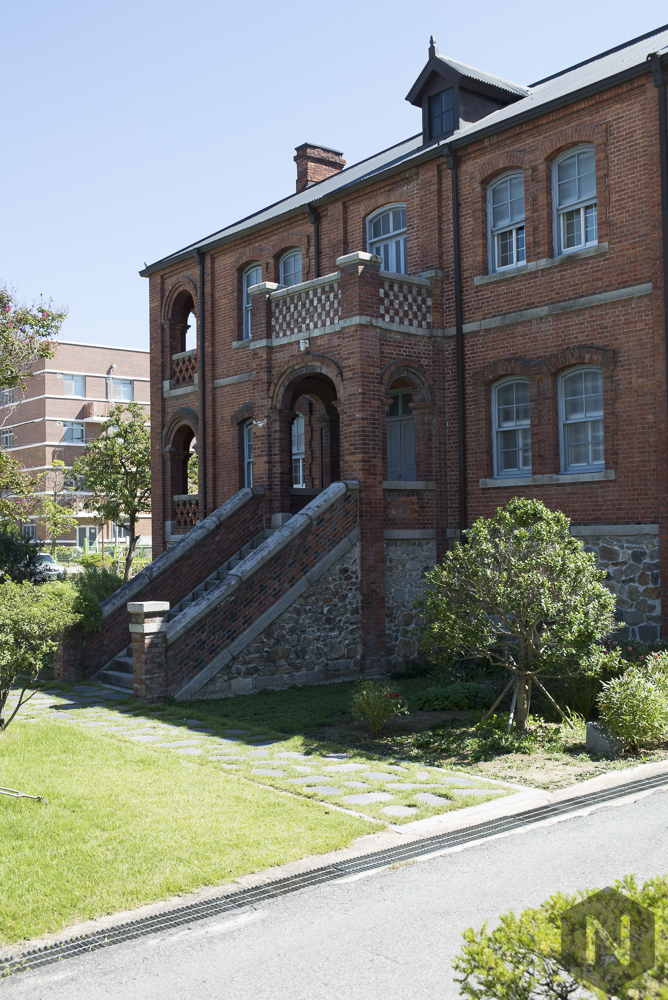
The red brick architecture is very unique.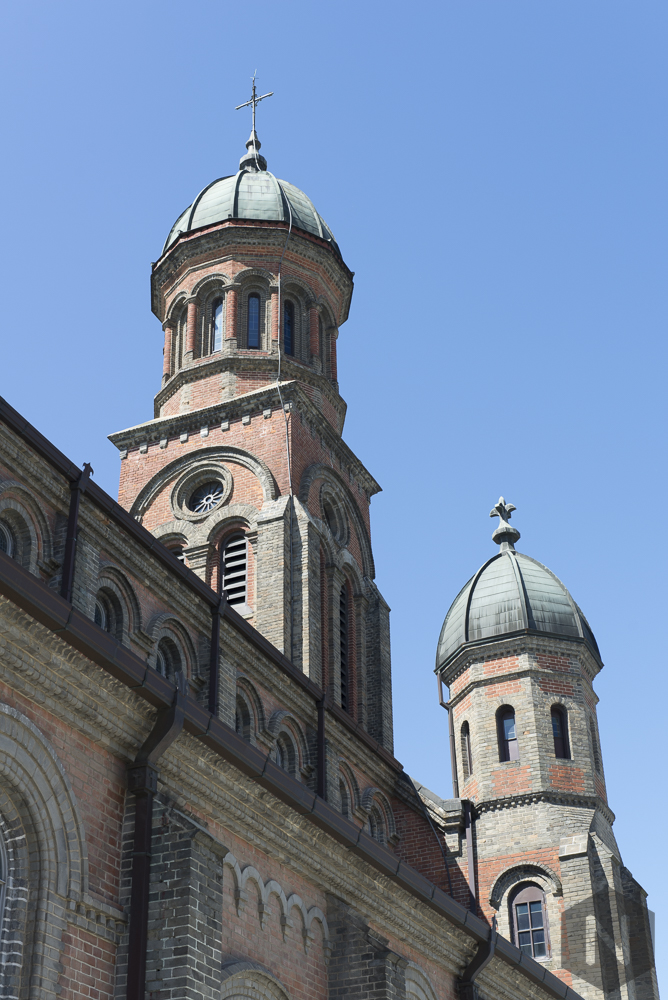
Then there is Pungnam-mun (풍남문), the only remaining city gate in old Jeonju. Other three gates were destroyed during war.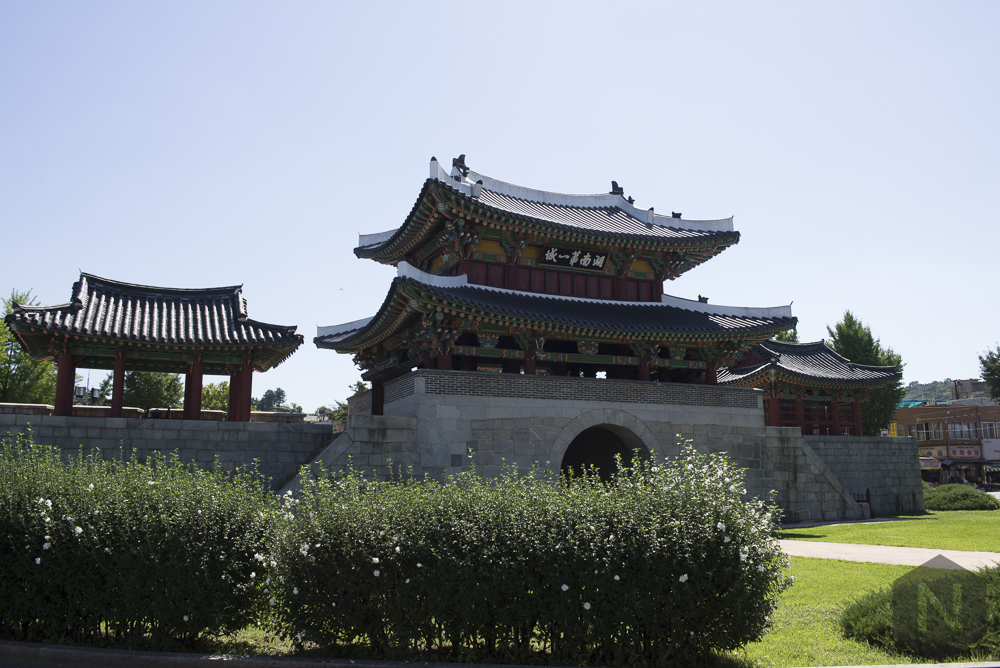
A plate explains the story of Pungnam Gate.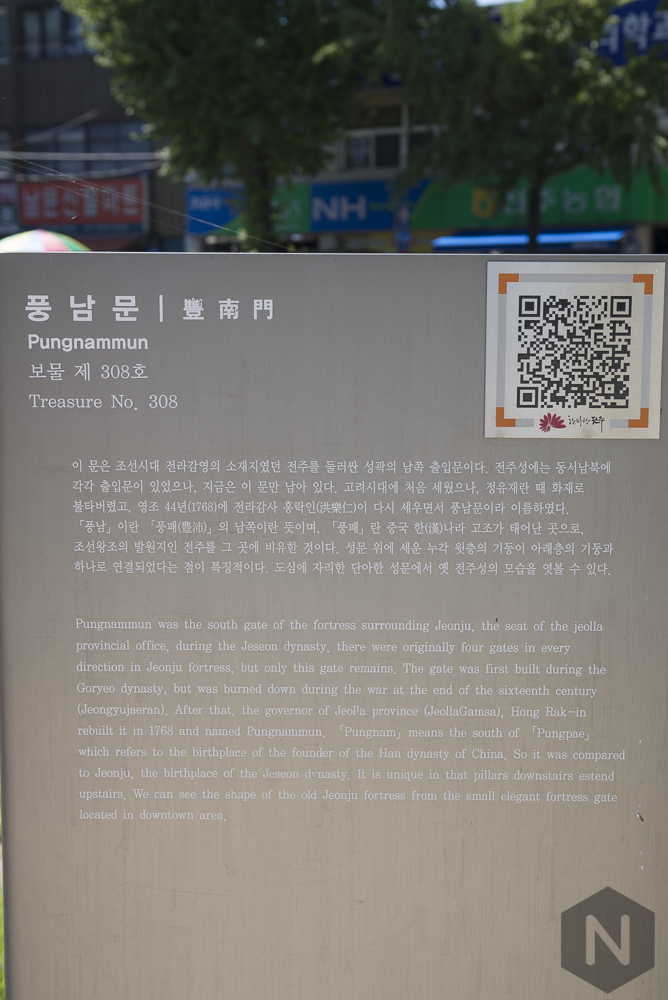
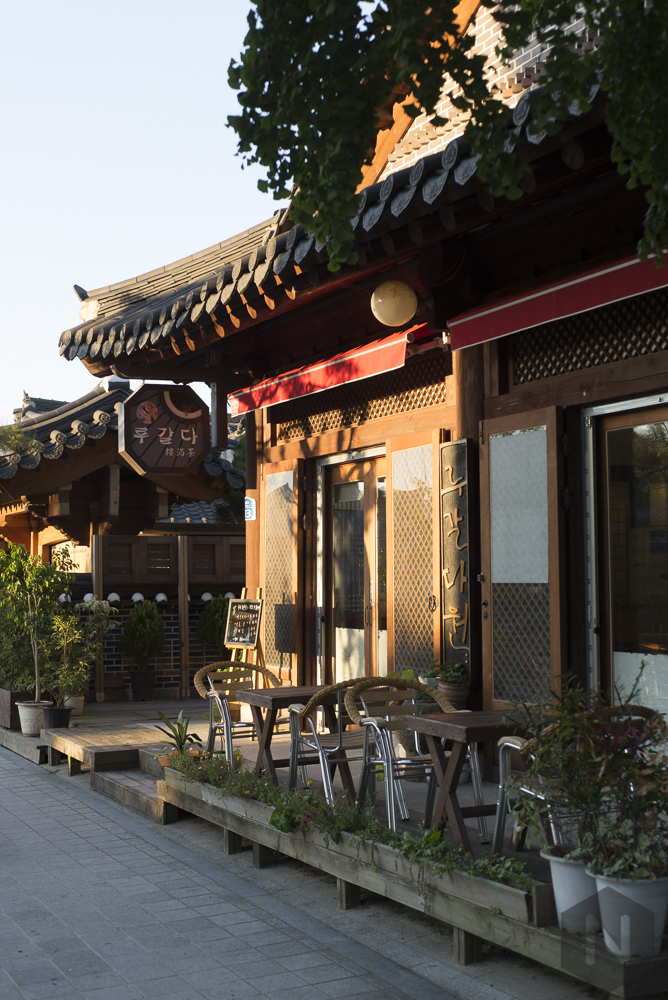
If one is in need of a rest, those pavilions provide shades and folks to talk to. Or you can just get to a café in the Hanok area…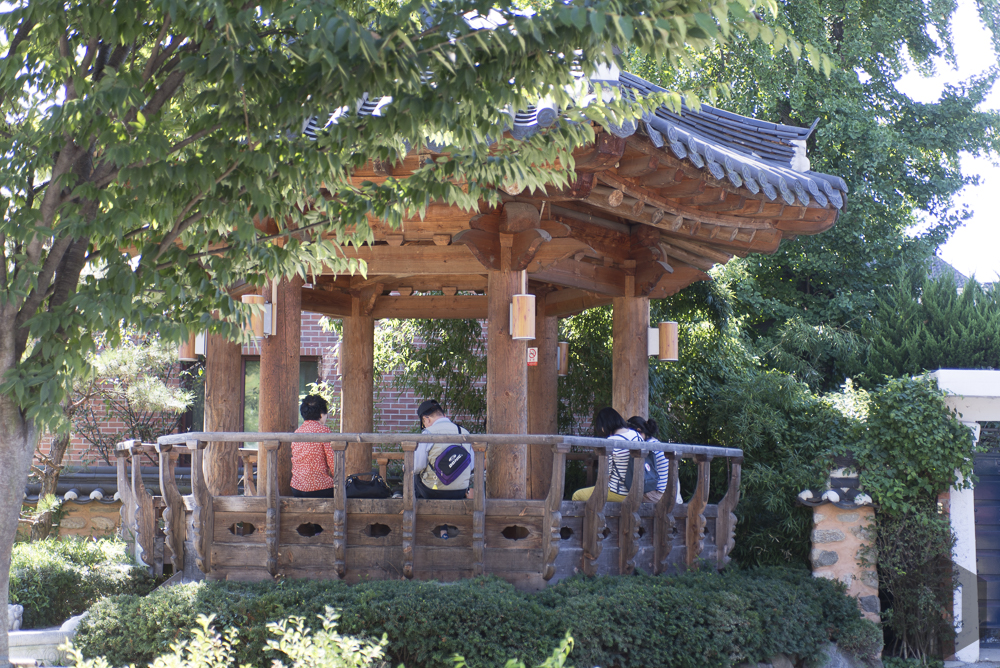
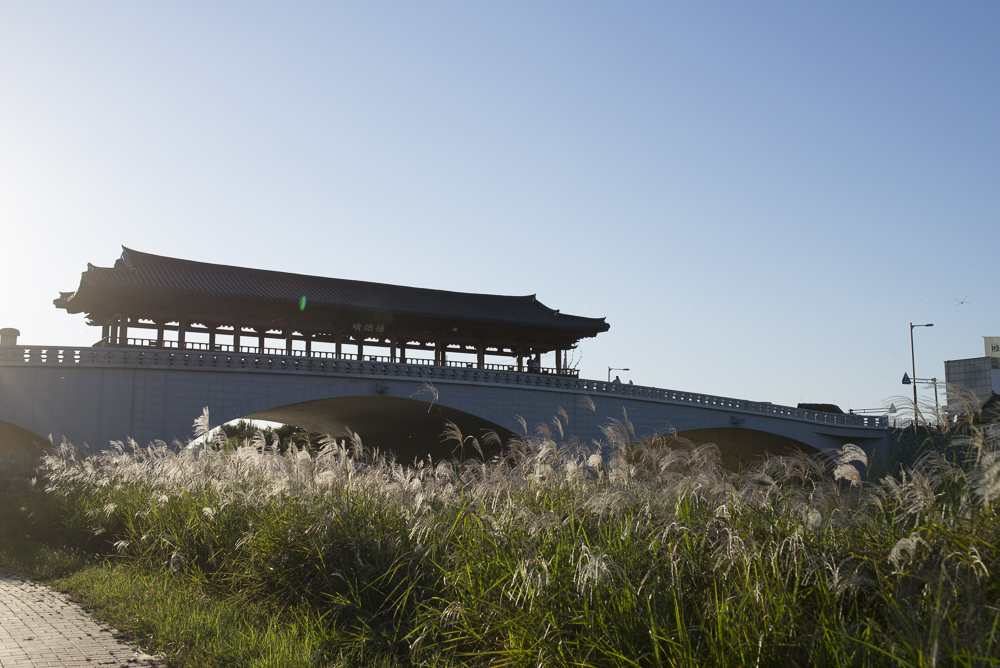
We strolled around the bridge (청연루) a bit. There is a small stream next to it so you would be able to ride your bike.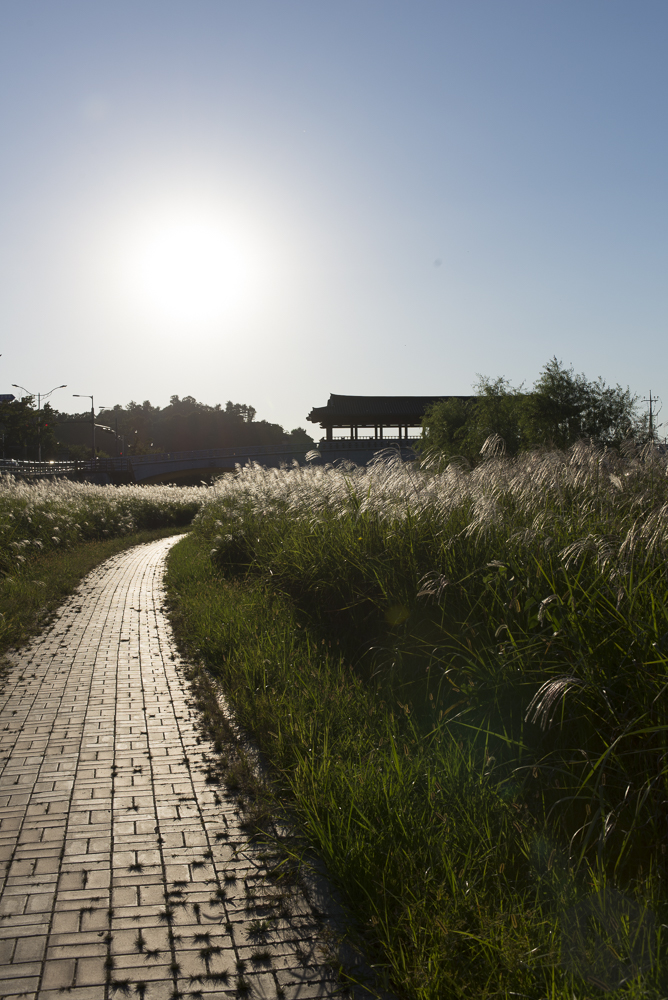
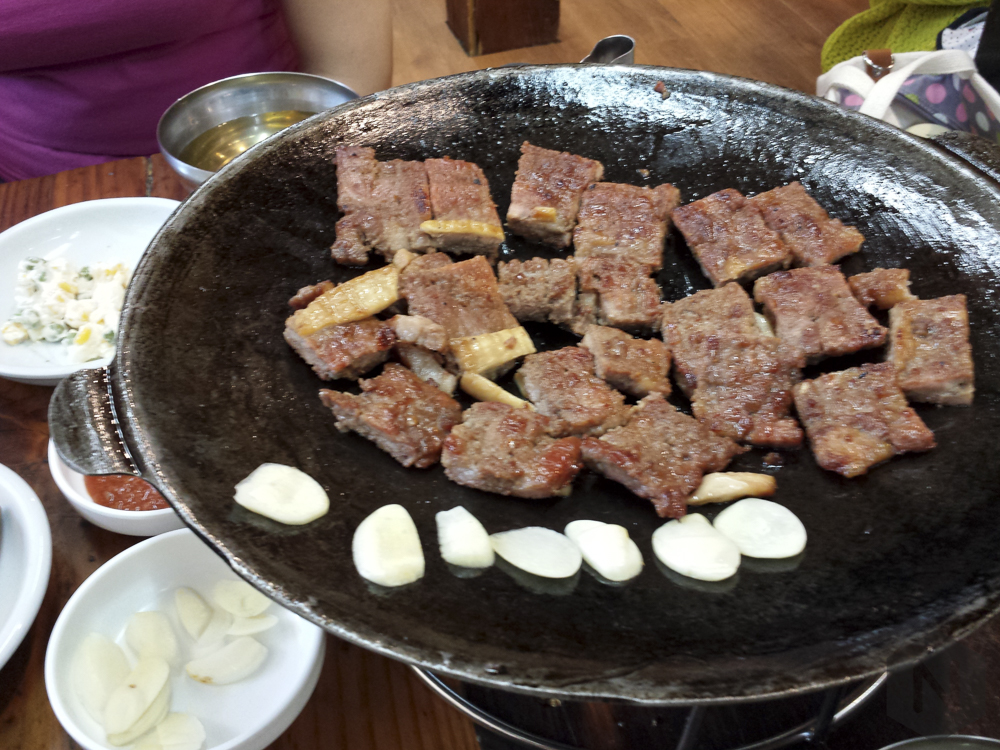
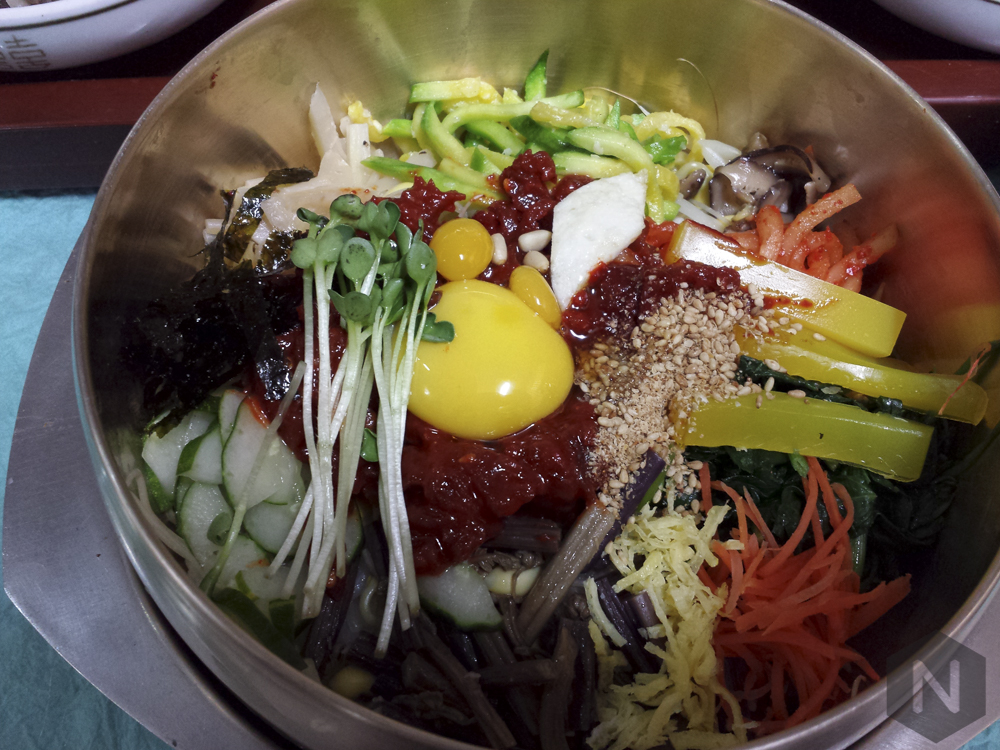
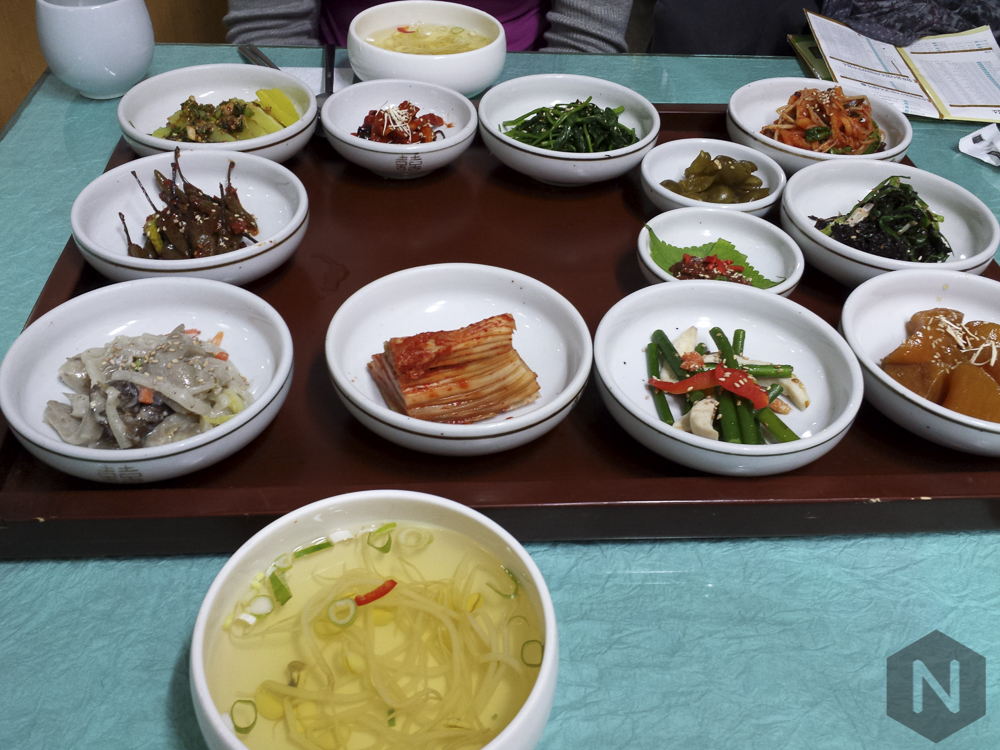
Our Dinner was delicious: We had Jeonju Bibimbap and some side dishes that go well with that. As we had meat for lunch, we skipped more heavy meals.
If you want to try something new to drink as well, then look out for Moju. It is an alcoholic drink with lots of herbs and spices such as cinnamon, ginger, ginseng and jujubes and is also regarded as a medicinal drink. I took two bottles of that back to Germany.
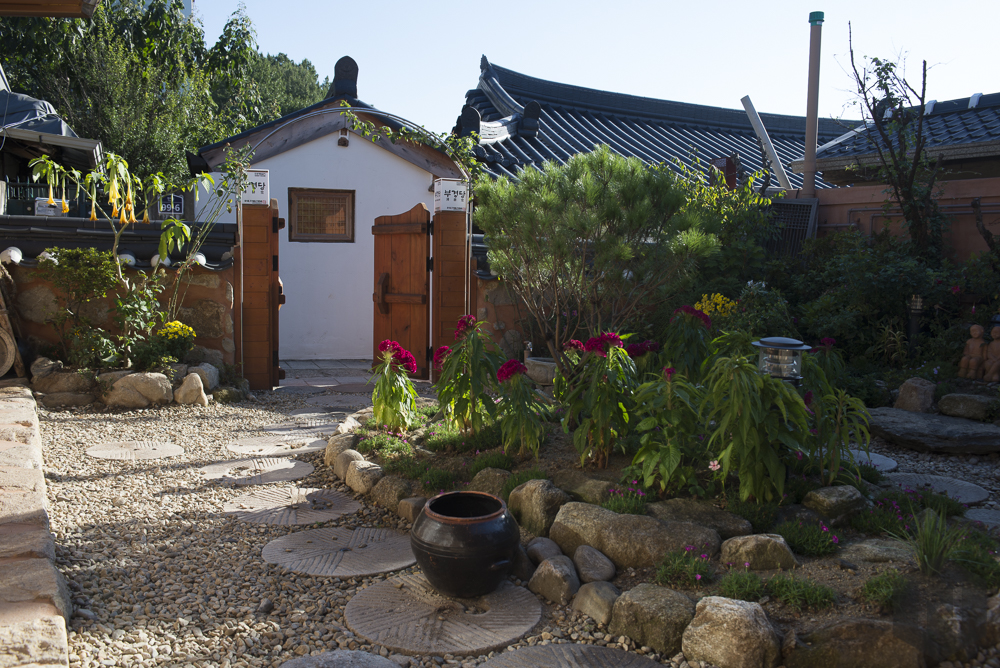
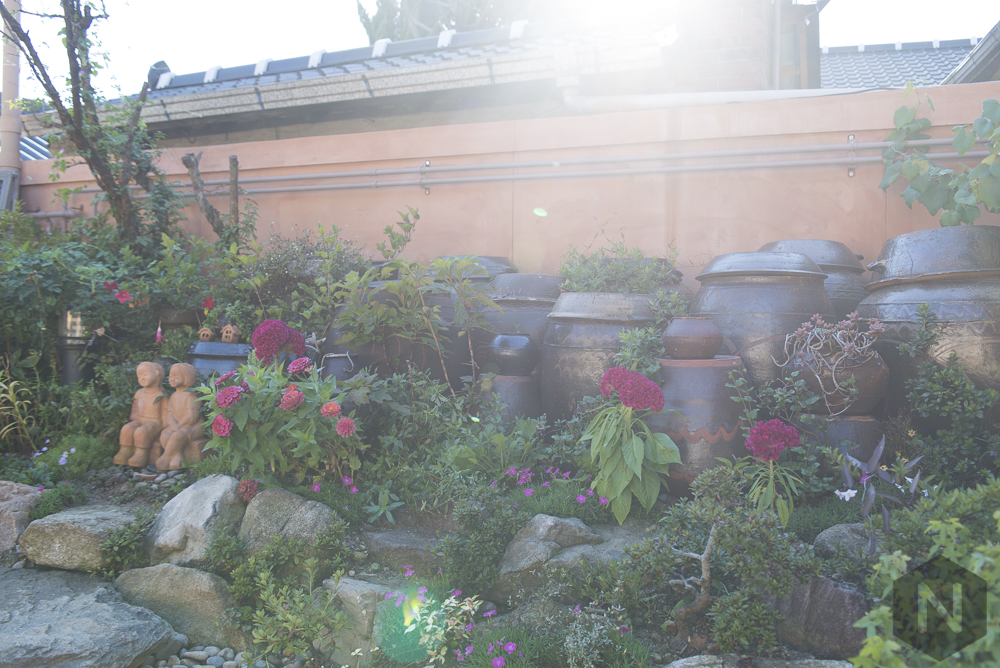
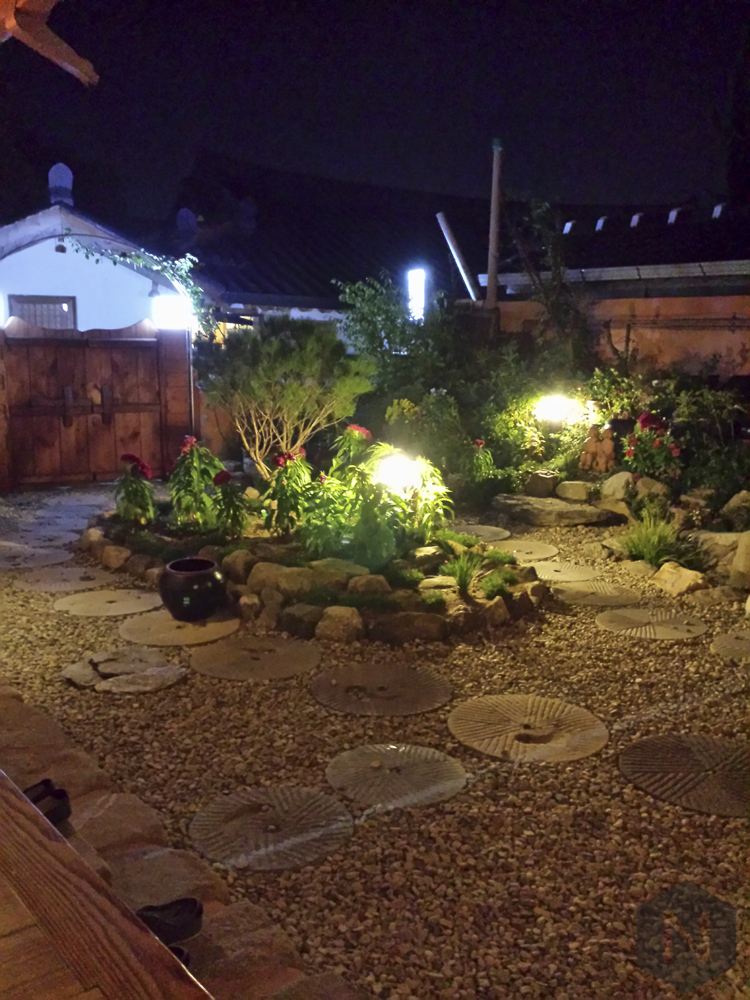
At last, our Hanok in that we stayed was a fantastic experience. It had a very small front garden with neatly curated plants and the compound had several of those houses. Walls and windows were literally paper thin made of Hanji (Korean paper), but inside you have air-conditioning and heating when cold. The stone-paved way made it easy to get to the lightly elevated housing, protecting the inhabitants from soil frost and animals running outside.