I believe one day in Kerkyra would suffice most sightseeings and the real beauty of Corfu is in the nature you can enjoy. To see more of the island, it is highly recommended to get a rental care and explore the island.
Too bad I went out too late and missed my bus to the airport for pickung up my ca, the walk by foot was a good morning exercise as well!

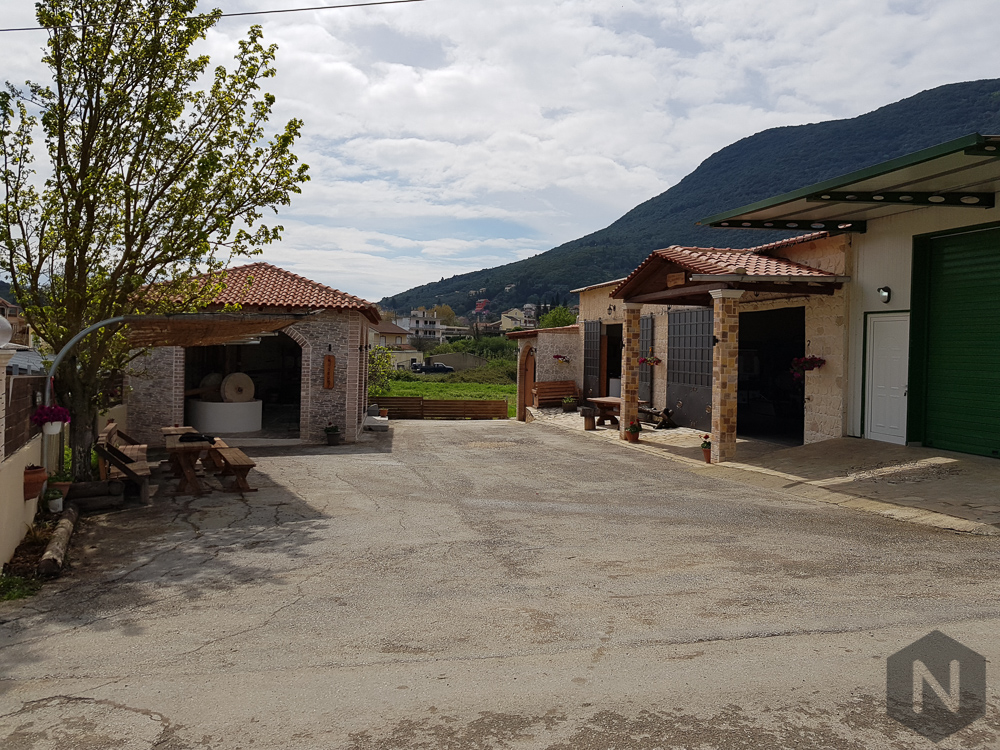
I started off with visiting the Olive Mill “The Governor”. It took me about 45minutes to reach the place and the drove alone was fantastic. You drive up the mountain to visit a small village Ageos Mattheos to get to the farm.
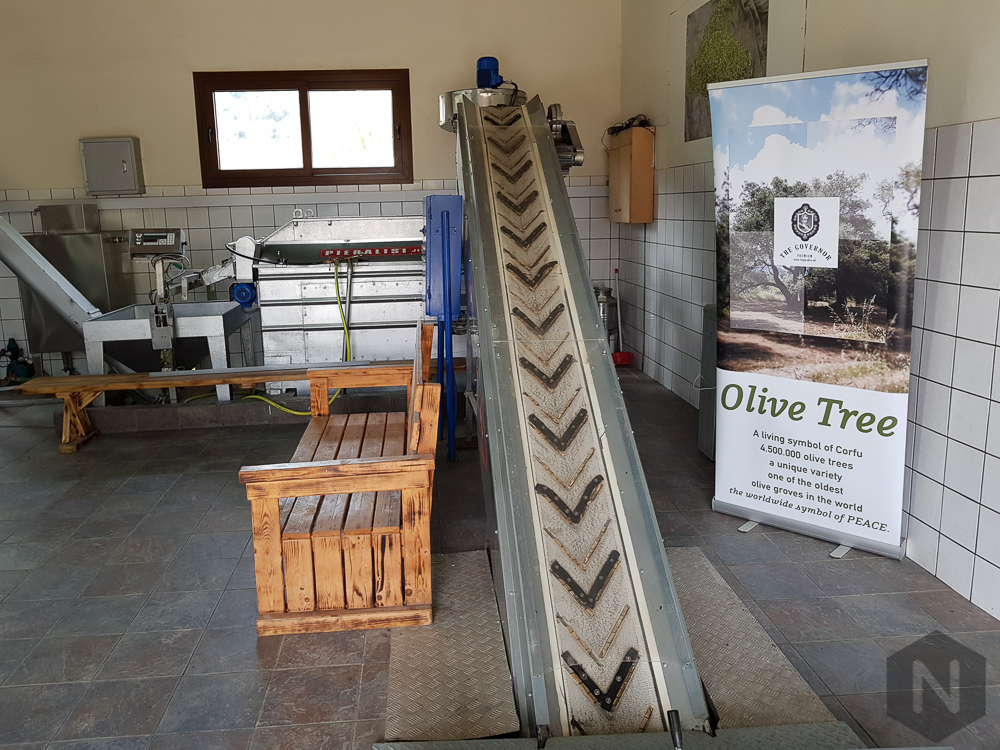
Spyros and his brother run the farm and I was warmheartedly greeted by Spyros and Thorsten (who happens to be a trainee from Germany). Spyros told us the stories from their farm: It has been there for more than 9 generations and the way how they produce olive oil was not always as it is today. They started 8 years ago (2011) and took over the responsibilities from their family. Today, it is one of the most renowned Olive oil producers on the island. The tour started with a small museum showing how Olive oil used to be made: With grinding stones, baskets and press to extract the oil from the olive fruits. Harvesting is usually in autumn when Olive become ripe and still have a green color. The timing of harvesting defines when you call oil Virgine and the taste of it.
Olive oil production is a very important process which basically is influenced by some factors: timing, oxidation and temparature. The less oxidation the better the taste is. Cold pressed oilt (under 36 degrees) keeps the taste good and ensures vitamins will stay.
On Corfu, there are 4.5 million trees and some of them are more than 2,500 years old. The can reach up to 10 metres in height and were introduced by the Korinthians as natural protection against enemies but also to flourish the economy. Greece is the third largest producer of olive oil and it is the most important ingredient in Mediterranean diet. Some studies say that the consumption of olive oil has a medical benefit, reducing the risk of Alzheimer’s disease and another study explores the effects against breast cancer.
The olive oil they produces bears the name of “Governor” and a mere 50,000 litres of oil is produced every year. Compared to large industrial producers this is a very small amount, so small you can barely find it as export good. The tour included oil tasting with bread, tomatoes, cheese and some yogurt made from Spyro’s mom. It was so delicicous and his explanation was very good. I learned how to distinguish good oil from bad: You freeze it and if the oil becomes fuild, it is watered down, while good oil in contrast will keep it’s fluidity. Good oil will also not change its taste and can be kept up to 24 months if stored cool and a dark place (the fridge is a good place). Also mind you should not use it for cooking (fry), tasted best is when it is cold or as dressing.
Good olive oil smells grassy and is determined by the time of harvest and processing. When you take a sip of it, let it stay in your mouth for 5-10 seconds and when you swallow, it should leave a very light bitter and spicy note like pepper.
Finally, I picked up some small portions that are hand-luggage friendly.
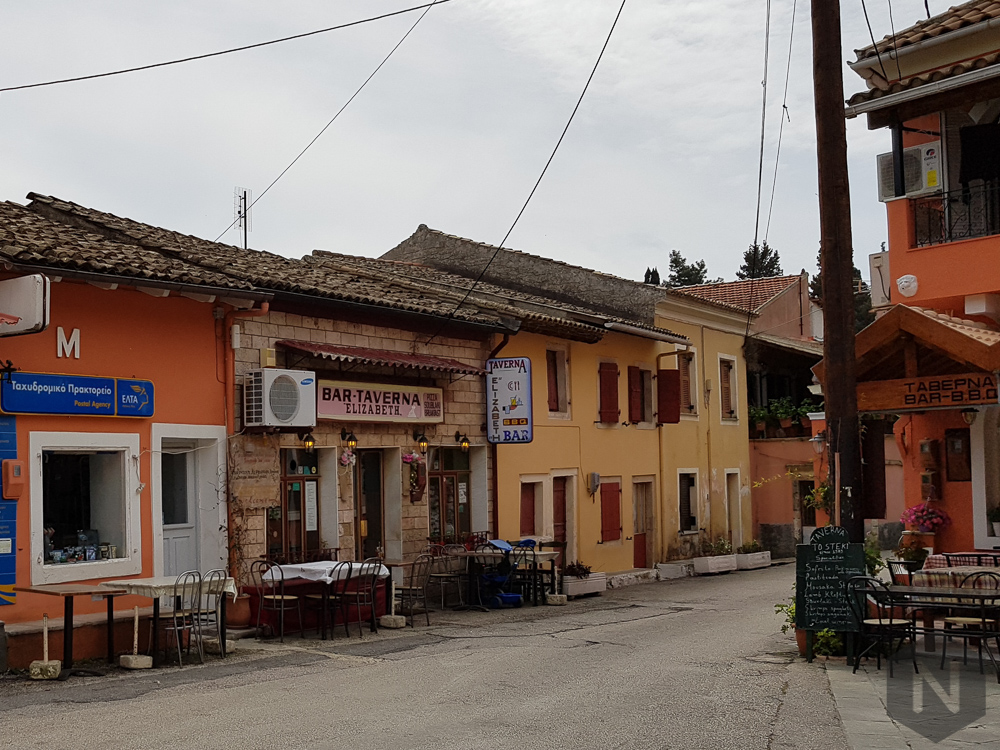
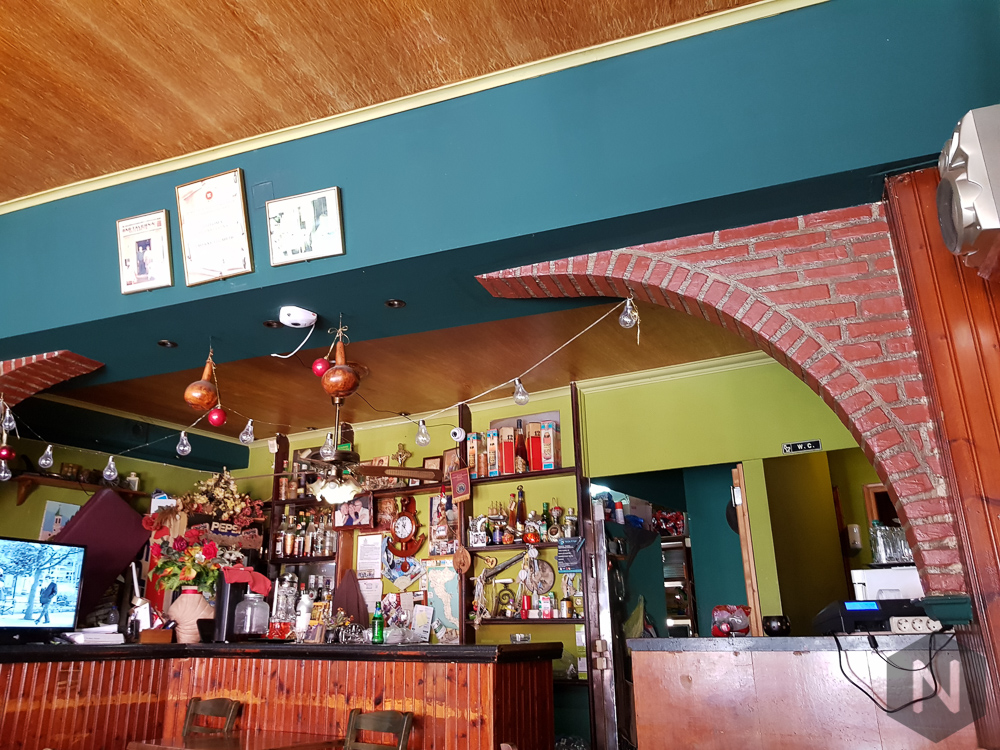
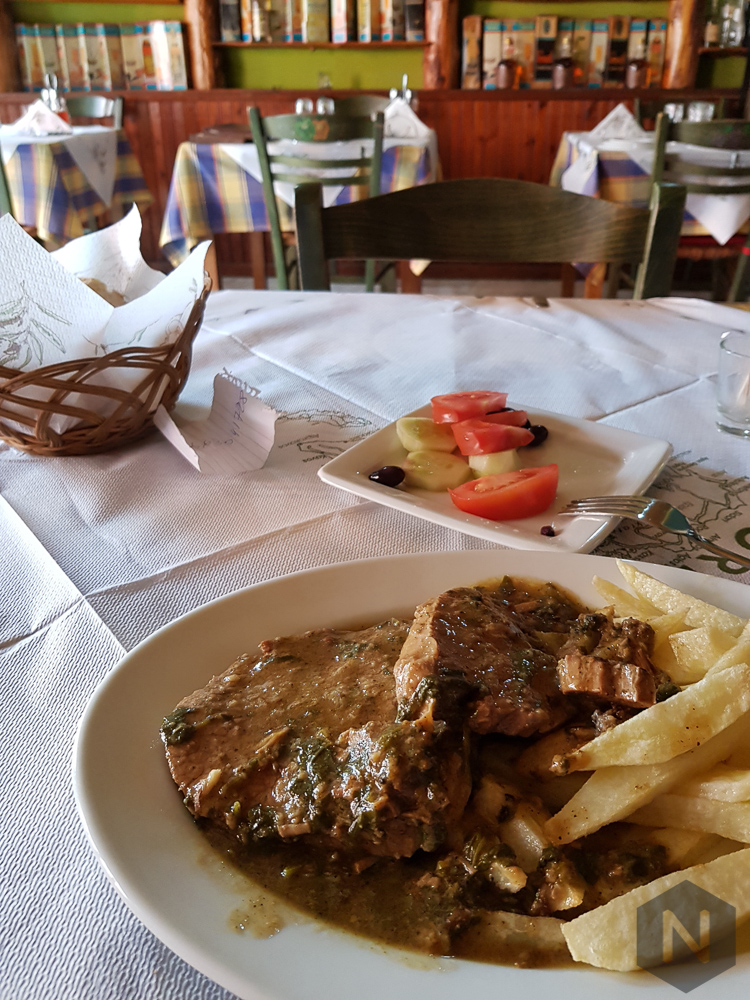
After the visit, I decided to have some lunch near Paleokoristo. I went up to a village named Doukades and it hosts a tavern called Elizabeth. From the outside it does not look much appealing like the other restaurants in the vicinity, but it is a recommended restaurant that has been around for more than 50 years by several generations. Elizabeth is an honest and nice person who served me cooked veal with fries and a salad (I did not recognize I had this before when I ordered, it was really well done though). The tavern is best enjoyed inside where you see lots of Metaxa bottles around you.
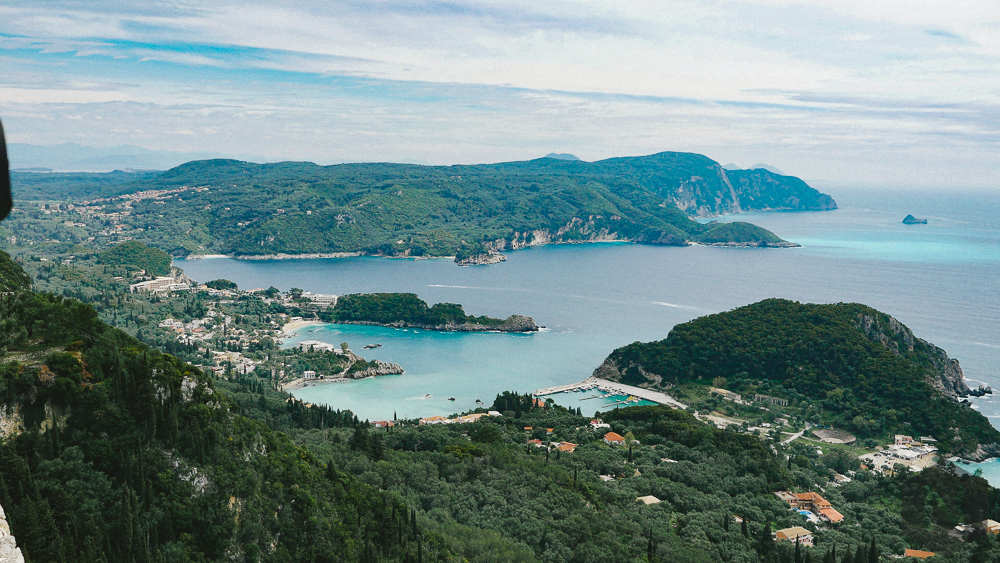
I left the taverns and headed to Angellokastro, a ruin that thrones up a mountain. On the way to the castle you can have a magnificient view down to the coast and the village of Paleo, which I saw later.
The ruins of Angellokastro: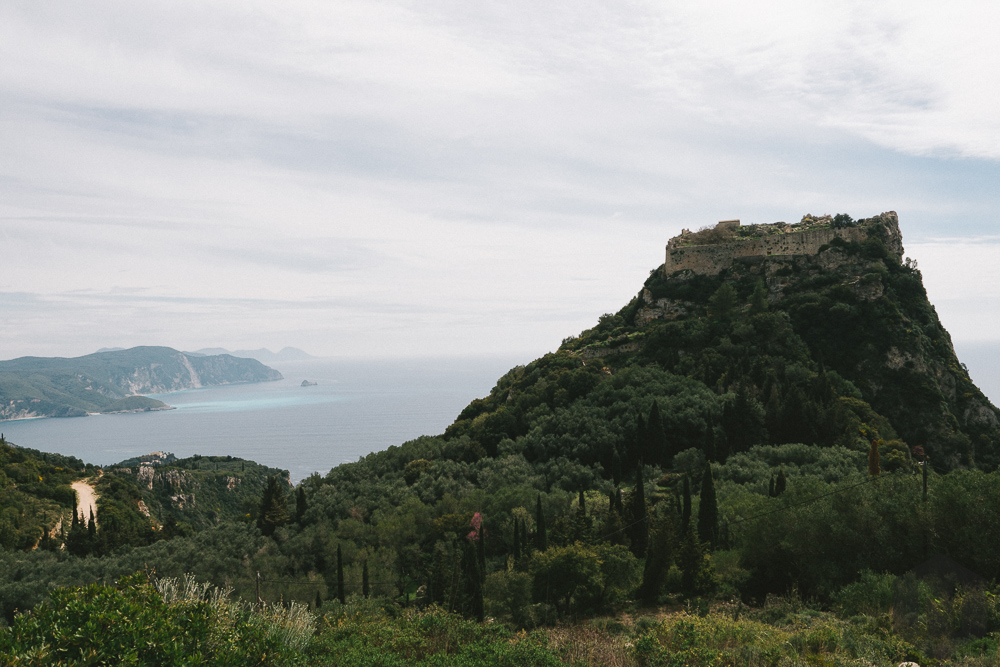
I actually did not enter the ground of the castle as I was satisfied with the view (and there is not much to see, so why bother).
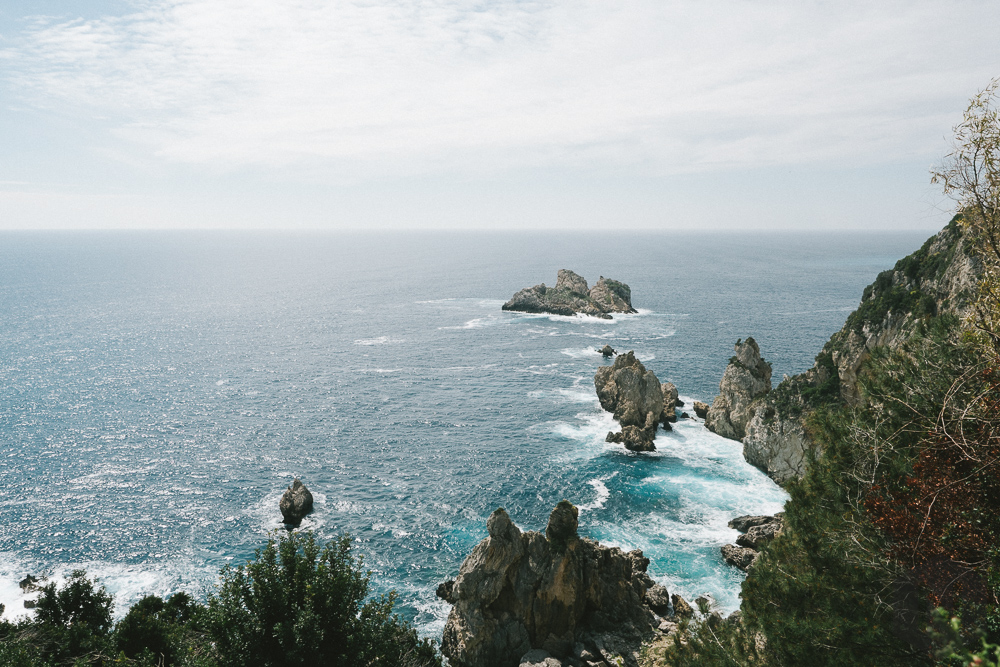
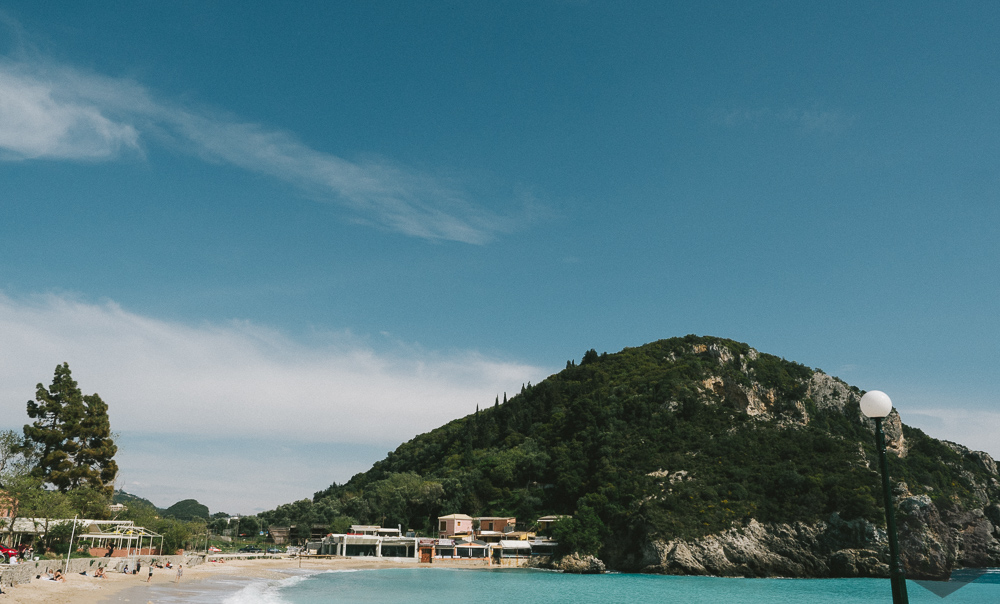
Taking down the roard again, I arrived at Paleo, a famous place to enjoy the beach and the turquoise water. As I did not expect the weather to be so good, I did not bring any beachwear and only had a rest there.
The actual reason to go was the Monastery in the village, a very lovely place with a bellfry, and a church that has been there for centuries.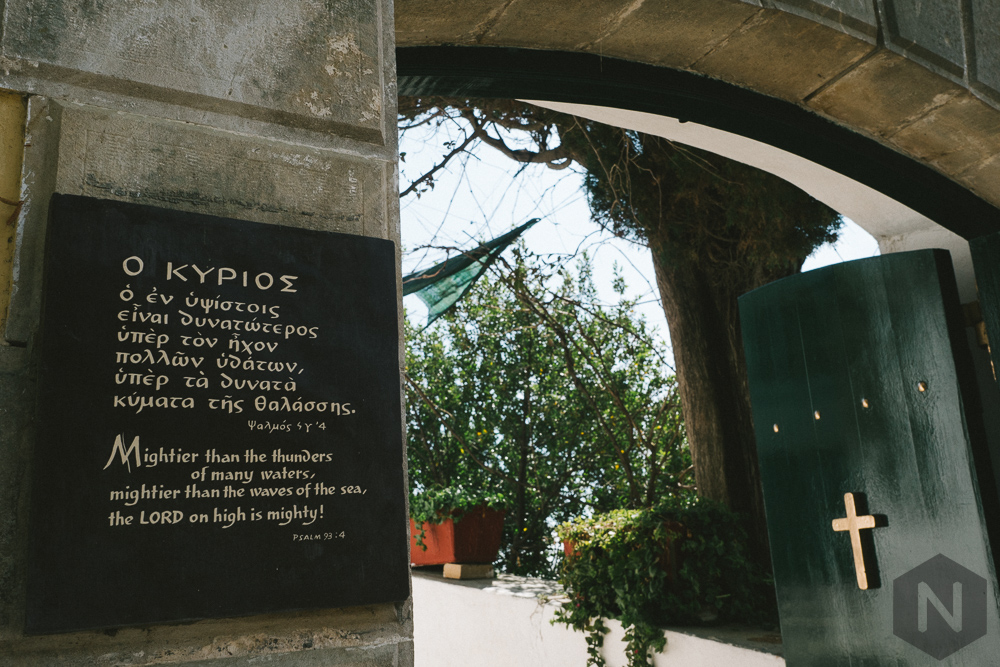
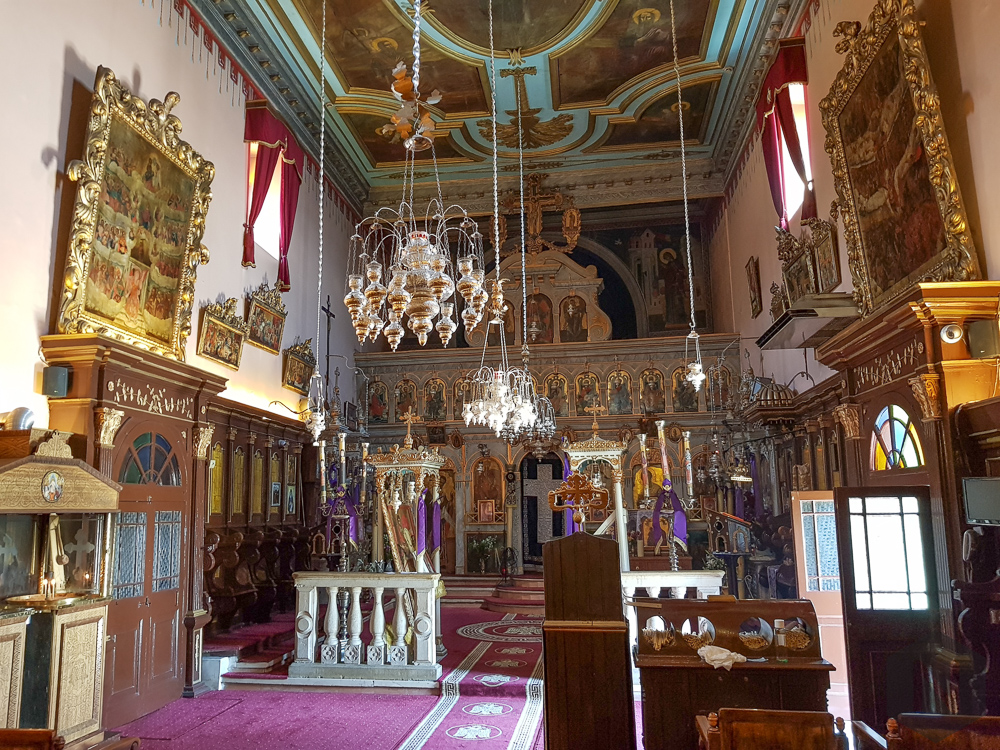
Inside the monastery there was a small garden and a museum where you could see some historic documents, the priest’s clothing.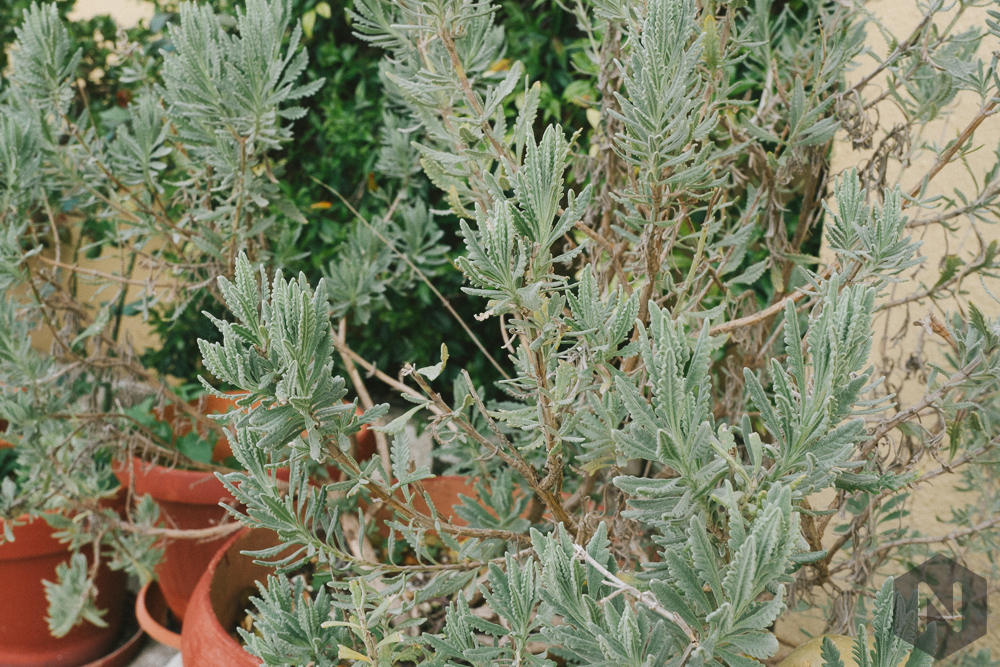
The view alone at the monsatery was enough reason to see it.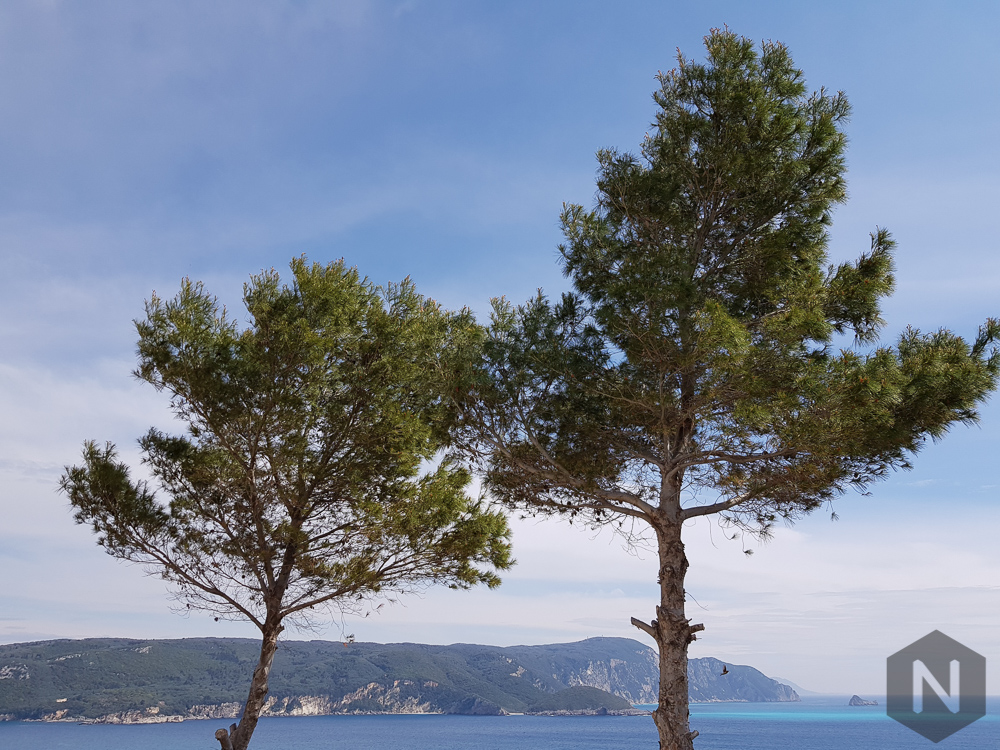
It was directly next to the coast, the rock formations were very scenic. Around Paleo, you could take some boat to have a rock cave tour, but it seemed other tourists were also rather interested in taking a sunbath or dipping their feet in water (it was warm, but not too warm to swim the whole time).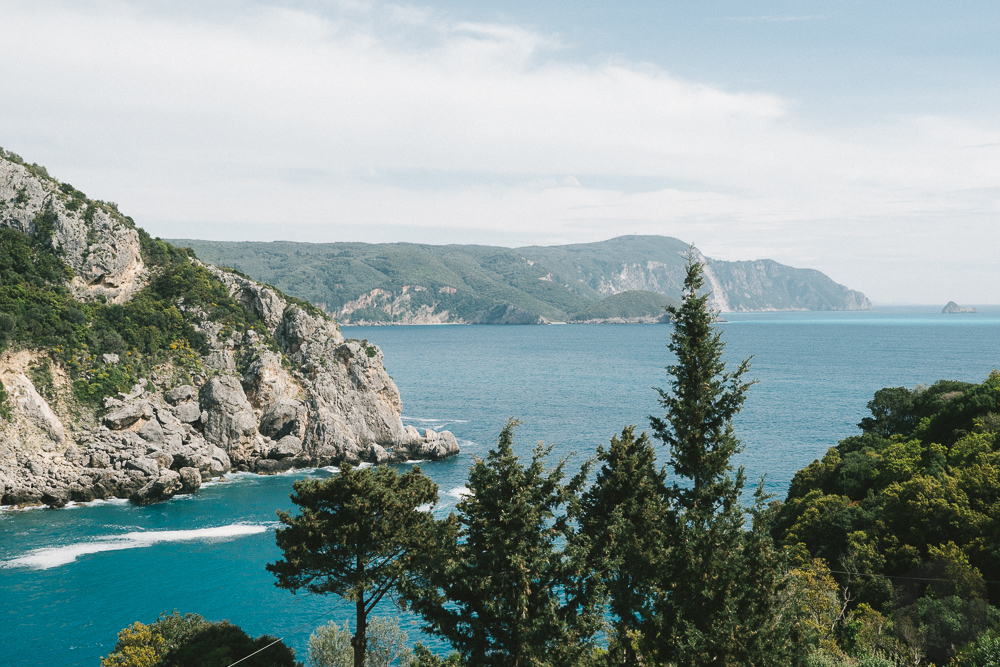
Finishing that tour, I went off to the Kaisers Throne in Pelekas.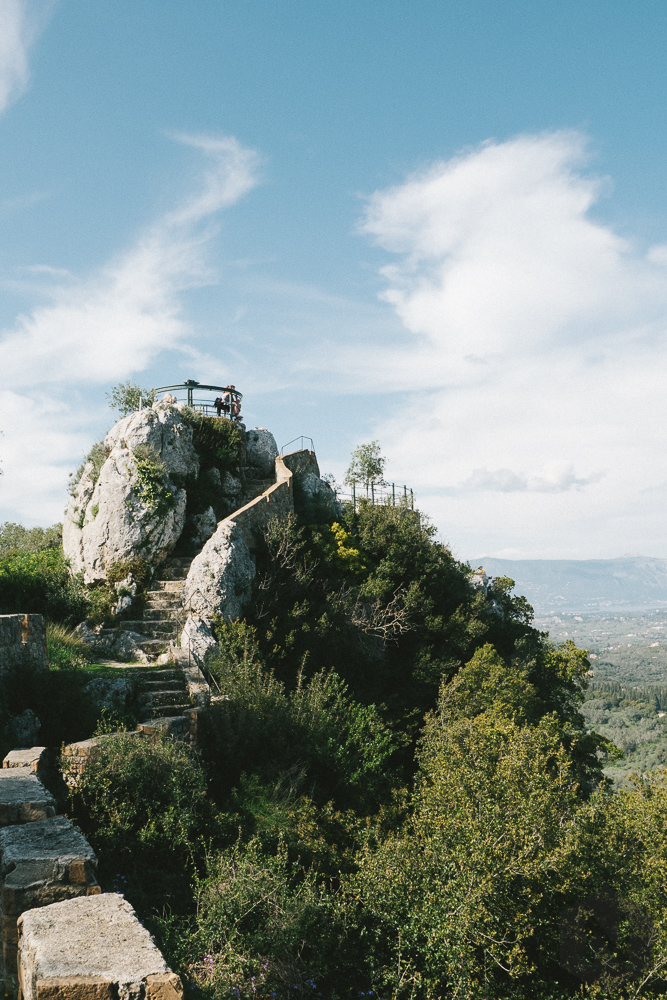
Again, you drive up a hill and have a view over the island.
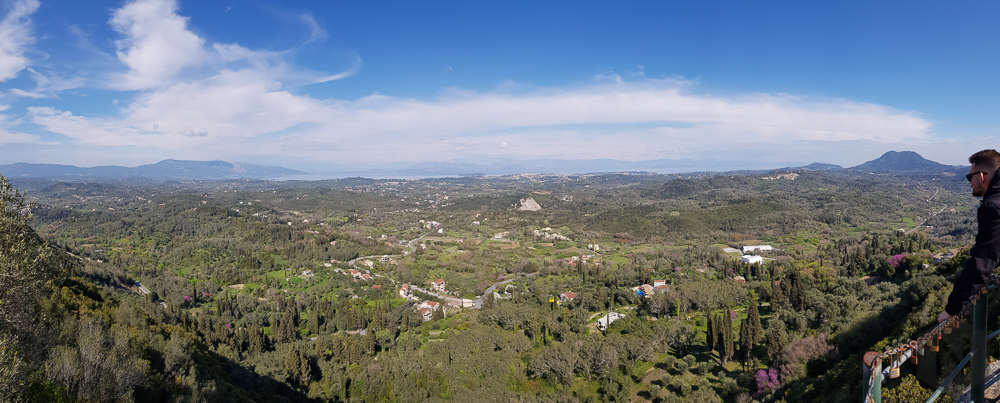 Quite in the middle of the picture you see Kerkyra (Corfu town):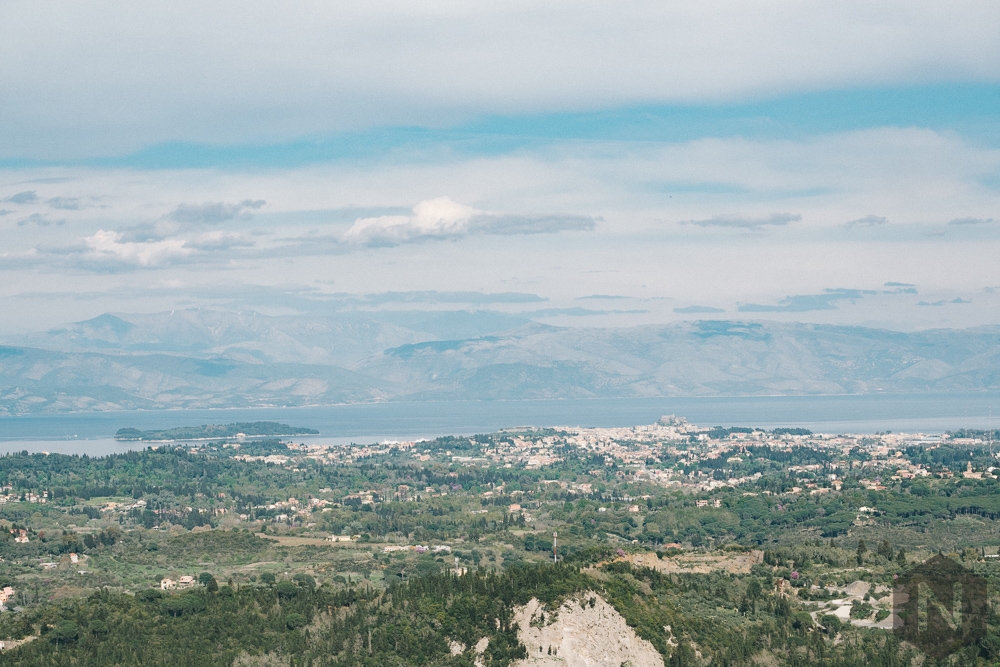
It should be enjoyed in sunset, but I did not want to stay there for such a long time.
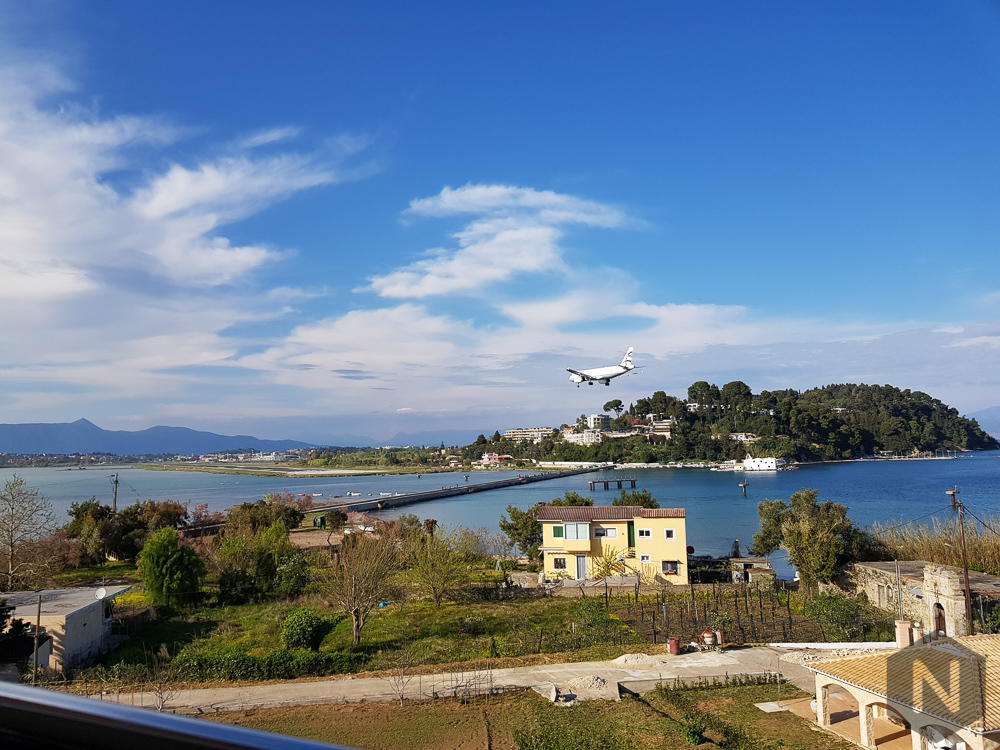
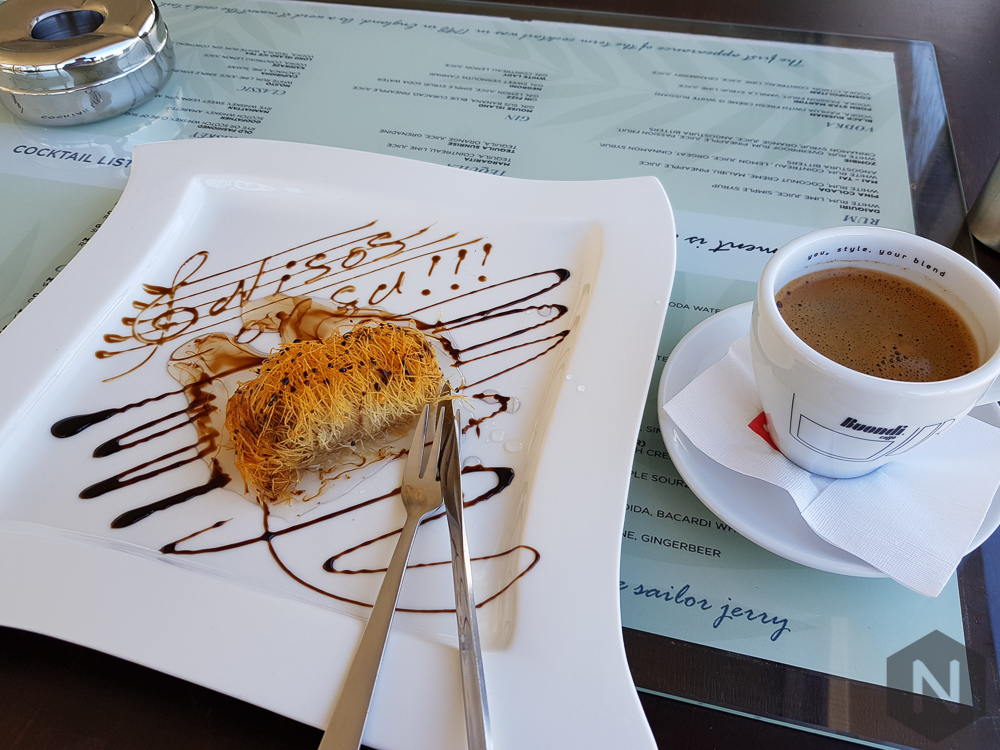
For an afternoon rest I chose to go to Nesos Restaurant and have a coffee and snack. The view towards the airfield and Vlacherna Monsatery is terrific. The host was very kind and it was a good rest before heading back to Kerkyra.
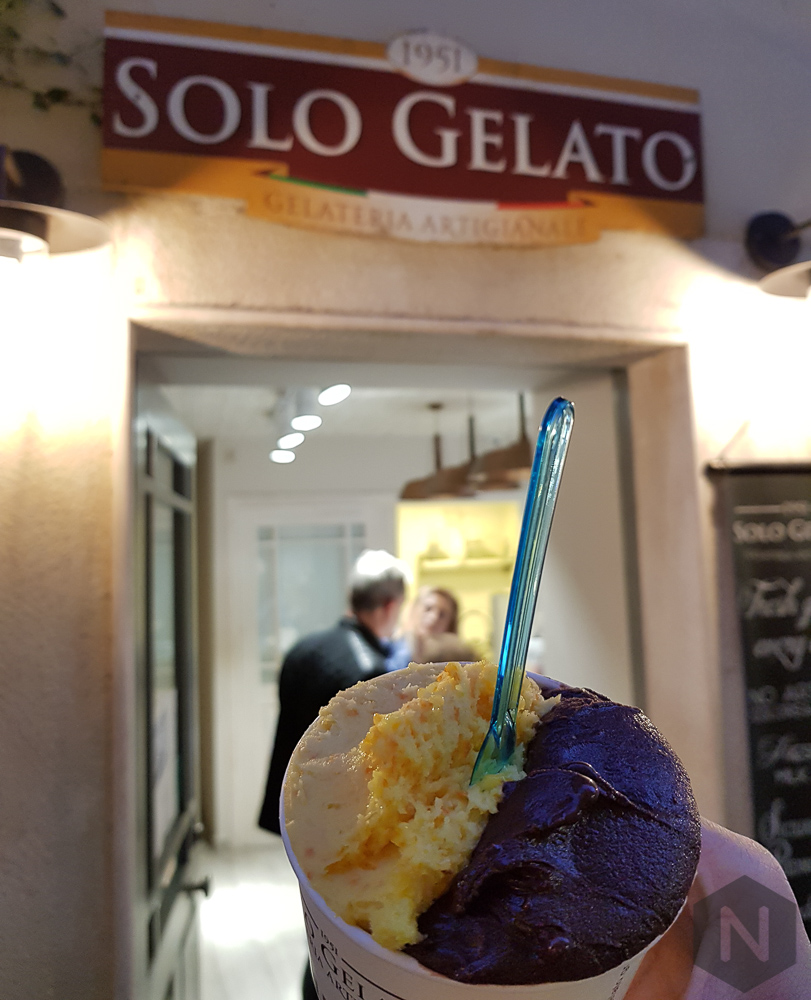
For dinner, I went out and had some nice icecream (Kumquat and pure chocolate) before dinner.
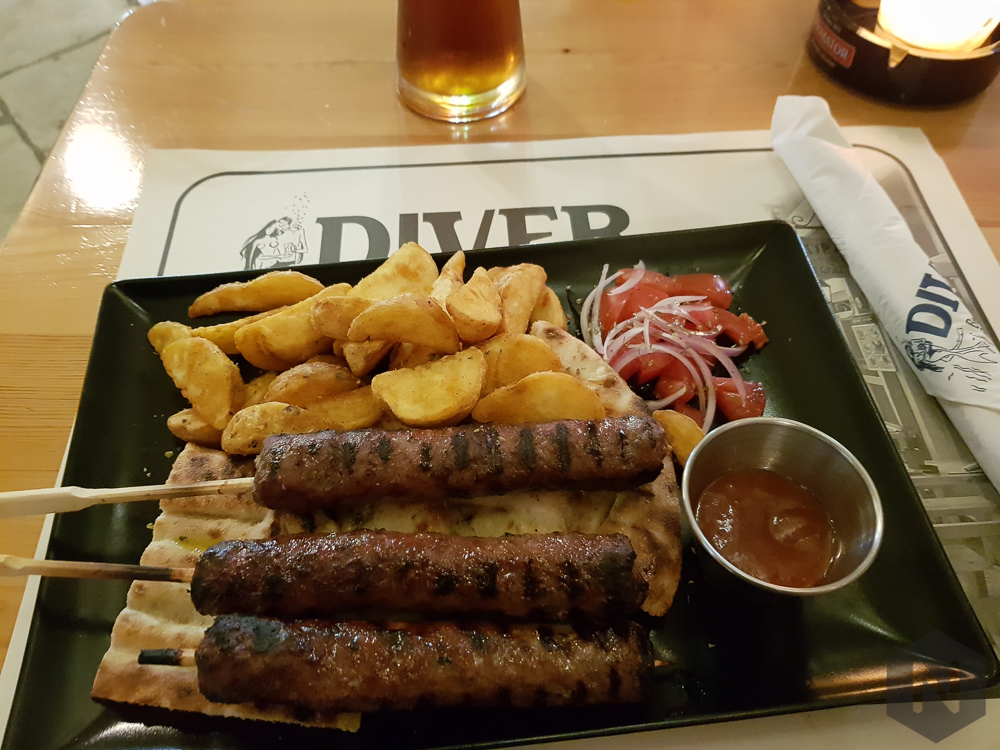
Dinner today was kebab at Diver Restaurant, a nice place with good food and more than 50 sorts of beer. Accompanying my kebab skewers, I took the Ionian Pale Ale, very delicious!
All in all, a perfect day and I went quite back tired.